Clean energy transition provides opportunities for Africa but needs cooperation, money

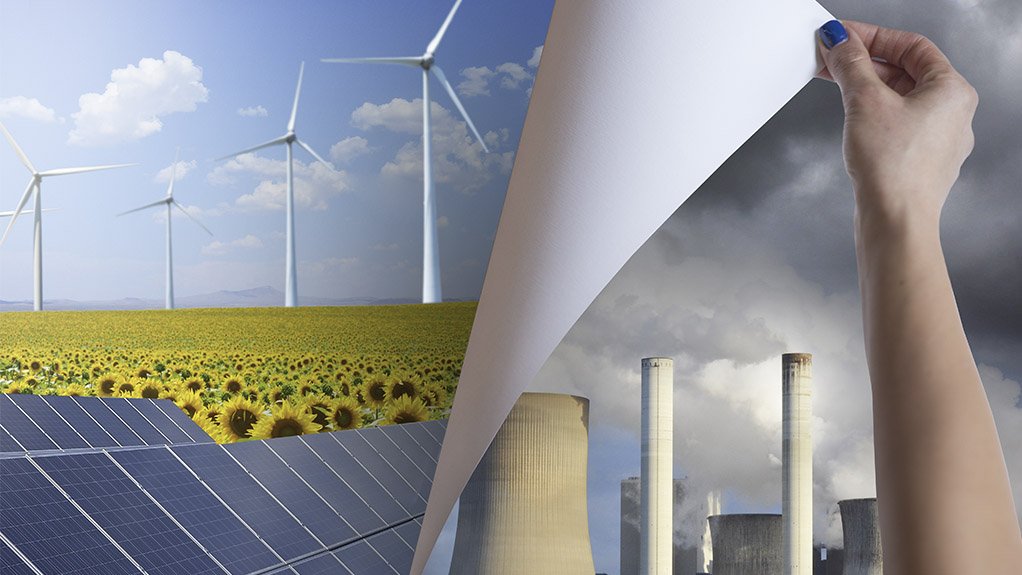


Southern Africa remains one of the world’s most climate vulnerable regions, pointed out Zimbabwean Energy and Power Development Deputy Minister Yeukai Simbanegavi at the recent Africa Energy Indaba 2026, held at the Cape Town International Convention Centre. She was participating in a panel discussion.
The importance of implementing the energy goals of last year’s COP 30 climate summit, and of the G20 Summit held in South Africa, could not be overemphasised, she said. Zimbabwe had its Vision 2030 initiative, which acknowledged energy as a key enabler of economic transformation. She also cited the national objective of increasing access to clean cooking technologies to 70% by 2030, from the current 38%.
There were three core obstacles to energy projects in Southern Africa (and Africa in general), she highlighted. These were access to concessionary finance; infrastructure and institutional readiness; and debt and fiscal space limitations. Most African countries could not provide sovereign guarantees for project financing. But, she affirmed, if Southern African countries strengthened their domestic policy coherence and increased regional cooperation, success would be achieved.
For the Economic Community of West African States (Ecowas), the outcomes of the COP 30 and the South Africa-hosted G20 summits provided opportunities, regarding energy diversification and regional integration, highlighted Ghanaian Energy and Green Transition Ministry technical adviser Dr Ishmael Ackah. He was participating in the same panel discussion.
Ecowas was composed of 16 countries and the region was heavily dependent on locally-produced oil. For the countries of the region, diversification meant identifying alternative power sources that were available and cheaper than oil. Ghana had opted for natural gas, as a transition fuel between oil and renewable energy. He noted that renewable-energy prices were coming down.
Regarding regional integration, West Africans were looking at energy as a basic need, to power industrialisation and other sectors of the economy and society. For example, to provide cheaper energy to farmers, or to use solar energy to power hospitals.
Ghana and Nigeria were, he reported, using solar energy, hydropower and gas as energy sources. Ghana was looking at producing 10% of its energy from solar and wind power by 2030. The country was already exporting solar energy to Burkina Faso.
However, it was also necessary to invest in transmission grids. Ecowas countries needed mini-grids, which were good, he affirmed, but they also needed to invest in their national grids, to turn them into smart grids.
“Adaptation is key,” he stressed. But adaptation had to be systematic and regional, it should not be seen as an individual country solution. “Adaptation should be seen as an African solution.”
He noted that, while African countries had the renewable-energy resources, they did not have the money to develop them. Nevertheless, Ghana had created a Renewable Energy Fund, to help finance such projects.
“There’s growing pressure to reform the climate finance infrastructure,” pointed out renewable energy development company CEO Massimiliano Vernaleone, also a panelist. “Financing costs of 8%, 10%, make projects pretty difficult. Concessional finance at 5%, 6%, makes projects affordable.”
“These are not free monies,” cautioned Ackah. It was also not the first time that Africa had been promised money. The continent had to prepare itself so that it could make use of innovative and blended finance options.
Vernaleone noted that, in Europe, solar energy was about cutting carbon emissions. In Africa, however, it was about so much more. It provided power, cut imports and created jobs, skills and opportunities for local manufacturing.
Article Enquiry
Email Article
Save Article
Feedback
To advertise email advertising@creamermedia.co.za or click here

Projects
Latest Multimedia
Latest News
Showroom
The Beneficiation Academy is a certified training institution that follows all compliance legislation and is accredited with various Sector...
VISIT SHOWROOM
The Aluminium Federation of South Africa (AFSA), is the voice of the South African aluminium industry.
VISIT SHOWROOM
Press Office
Announcements
What's On
Subscribe to improve your user experience...
Option 1 (equivalent of R125 a month):
Receive a weekly copy of Creamer Media's Engineering News & Mining Weekly magazine
(print copy for those in South Africa and e-magazine for those outside of South Africa)
Receive daily email newsletters
Access to full search results
Access archive of magazine back copies
Access to Projects in Progress
Access to ONE Research Report of your choice in PDF format
Option 2 (equivalent of R375 a month):
All benefits from Option 1
PLUS
Access to Creamer Media's Research Channel Africa for ALL Research Reports, in PDF format, on various industrial and mining sectors
including Electricity; Water; Energy Transition; Hydrogen; Roads, Rail and Ports; Coal; Gold; Platinum; Battery Metals; etc.
Already a subscriber?
Forgotten your password?
Receive weekly copy of Creamer Media's Engineering News & Mining Weekly magazine (print copy for those in South Africa and e-magazine for those outside of South Africa)
➕
Recieve daily email newsletters
➕
Access to full search results
➕
Access archive of magazine back copies
➕
Access to Projects in Progress
➕
Access to ONE Research Report of your choice in PDF format
RESEARCH CHANNEL AFRICA
R4500 (equivalent of R375 a month)
SUBSCRIBEAll benefits from Option 1
➕
Access to Creamer Media's Research Channel Africa for ALL Research Reports on various industrial and mining sectors, in PDF format, including on:
Electricity
➕
Water
➕
Energy Transition
➕
Hydrogen
➕
Roads, Rail and Ports
➕
Coal
➕
Gold
➕
Platinum
➕
Battery Metals
➕
etc.
Receive all benefits from Option 1 or Option 2 delivered to numerous people at your company
➕
Multiple User names and Passwords for simultaneous log-ins
➕
Intranet integration access to all in your organisation