Standards have become key powerful tools for trade, development – World Bank



In its first report analysing the landscape of global standards, the World Bank has found that a proliferating set of international standards that covers everything from food labelling to the specifications of 5G cellular networks is steadily reshaping the global economic order.
These standards are delivering hefty benefits to the wealthy nations and large multinational companies that set them, while leaving many developing countries on the sidelines, it asserts.
“Today, standards are foundational economic infrastructure, as vital to prosperity as roads or ports,” the World Bank states in its ‘World Development Report 2025: Standards for Development’ publication.
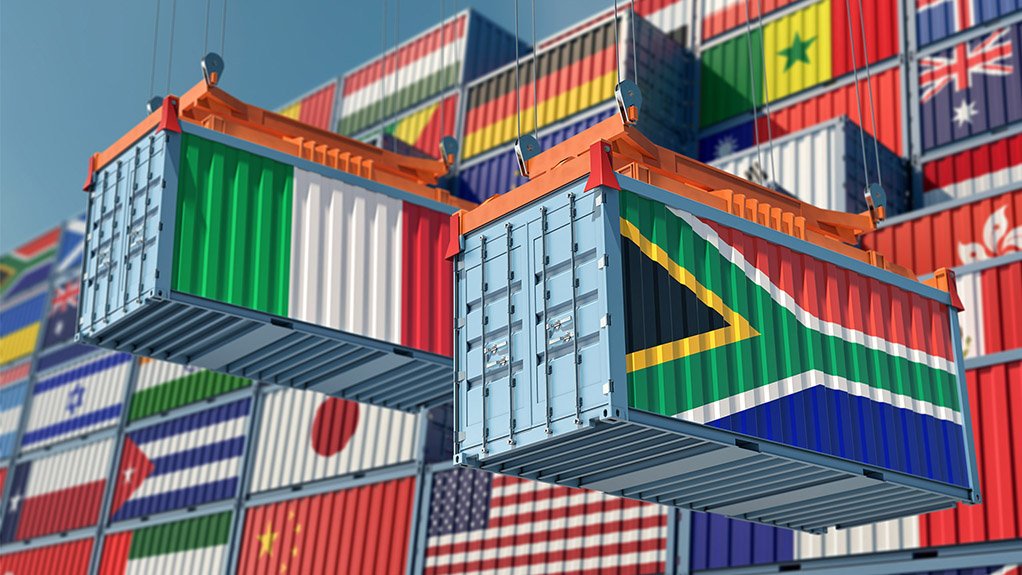
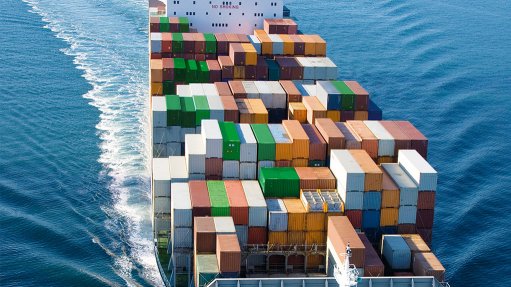
For example, by making the transportation of goods seamless, the standardisation of the shipping container has boosted global trade to a greater extent than all of the trade agreements of the last 60 years, the report notes.
The World Bank is of the view that digital standards could do the same for the services trade. When countries are active in adapting, aligning and authoring standards, they are a powerful tool for growth and poverty reduction, it states.
It points out, however, that, since the turn of the century, standards have also become weapons in trade wars: non-tariff measures such pesticide specifications or labelling requirements, for example, now affect 90% of global trade, up from just 15% in the late 1990s.
“Standards are both central and unsung today. When they’re set right, they go unnoticed: the ship sails through the canal, the building withstands an earthquake, a kilogram weighs the same in Kenya as in Canada and no one gives the gains that come a second thought,” explains World Bank chief economist and development economics VP Indermit Gill.
The report is the first assessment of the role of standards in economic development and a call to developing nations to make them a core component of their development strategies.
“International standards are no longer invisible infrastructure, but critical enablers of sustainable and inclusive development,” says International Organisation for Standardisation (ISO) secretary-general Sergio Mujica.
As the world’s largest standard-setting body, ISO surveyed 173 national standards bodies in support of the data-gathering work for the World Bank report.
“Unlocking the full development potential of standards means ensuring all countries can participate in their creation and implement them. This report is a timely call to action to strengthen global participation and cooperation in standardsation,” Mujica points out.
DELIBERATE STRATEGY
The World Bank confirms that the global appetite for standards has surged, with more than half of the 20 000 standards issued over the last seven decades by ISO having been created since 2000.
In 2024 alone, key global standard-setting bodies issued more than 7 000 standards.
However, not enough developing countries are at the table when standards are written, partly because they often lack the resources and expertise needed to participate.
On average, they sit on less than one-third of the technical committees that determine global standards at the ISO, and even fewer in other bodies.
The World Bank says supporting broader, more strategic participation is key to ensuring standards are globally relevant and reflect diverse development needs and contexts.
Turning standards into a springboard for development requires a deliberate strategy. To this end, the report proposes an adapt-align-author framework for countries at different stages of development.
At low levels of development, countries should adapt international standards to local realities, so firms can learn and markets can grow. “It isn’t wise to blindly copy the most stringent global standards – local ambitions should match local capacity,” the bank states.
As local capacity grows, countries can align with international standards, cutting duplication, easing market entry and helping firms compete abroad.
Simultaneously, countries can shape international standards, ensuring they reflect national priorities.
Finally, as they grow wealthier, developing countries should author new standards or update existing ones.
JAPAN'S EXAMPLE
Japan exemplifies how countries can use standards to turbocharge development, according to the report.
In the immediate aftermath of World War II, Japanese consumer exports were widely considered to be of low quality and unreliable. The country focused on becoming a high-quality manufacturer, initially copying and then improving upon ideas from abroad. It did so through the Japanese Standards Association and the widespread adoption of Total Quality Management, which transformed the country into a global paragon for quality, the World Bank points out.
“The lesson from the most successful economies is that standards are not just technical rules, they are the foundation for innovation and global competitiveness,” says World Development Report director Xavier Giné.
He concludes that countries that treat standards as part of their development strategy rather than an afterthought are the ones that have managed to climb the ladder of prosperity.
Article Enquiry
Email Article
Save Article
Feedback
To advertise email advertising@creamermedia.co.za or click here
Research Reports

Projects


Latest Multimedia


Latest News

Showroom


The SAIMM started as a learned society in 1894 after the invention of the cyanide process that saved the South African gold mining industry of the...
VISIT SHOWROOM


Press Office
Announcements
What's On
Subscribe to improve your user experience...
Option 1 (equivalent of R125 a month):
Receive a weekly copy of Creamer Media's Engineering News & Mining Weekly magazine
(print copy for those in South Africa and e-magazine for those outside of South Africa)
Receive daily email newsletters
Access to full search results
Access archive of magazine back copies
Access to Projects in Progress
Access to ONE Research Report of your choice in PDF format
Option 2 (equivalent of R375 a month):
All benefits from Option 1
PLUS
Access to Creamer Media's Research Channel Africa for ALL Research Reports, in PDF format, on various industrial and mining sectors
including Electricity; Water; Energy Transition; Hydrogen; Roads, Rail and Ports; Coal; Gold; Platinum; Battery Metals; etc.
Already a subscriber?
Forgotten your password?
Receive weekly copy of Creamer Media's Engineering News & Mining Weekly magazine (print copy for those in South Africa and e-magazine for those outside of South Africa)
➕
Recieve daily email newsletters
➕
Access to full search results
➕
Access archive of magazine back copies
➕
Access to Projects in Progress
➕
Access to ONE Research Report of your choice in PDF format
RESEARCH CHANNEL AFRICA
R4500 (equivalent of R375 a month)
SUBSCRIBEAll benefits from Option 1
➕
Access to Creamer Media's Research Channel Africa for ALL Research Reports on various industrial and mining sectors, in PDF format, including on:
Electricity
➕
Water
➕
Energy Transition
➕
Hydrogen
➕
Roads, Rail and Ports
➕
Coal
➕
Gold
➕
Platinum
➕
Battery Metals
➕
etc.
Receive all benefits from Option 1 or Option 2 delivered to numerous people at your company
➕
Multiple User names and Passwords for simultaneous log-ins
➕
Intranet integration access to all in your organisation