Understanding of material and flow underpins Weba Chute Design

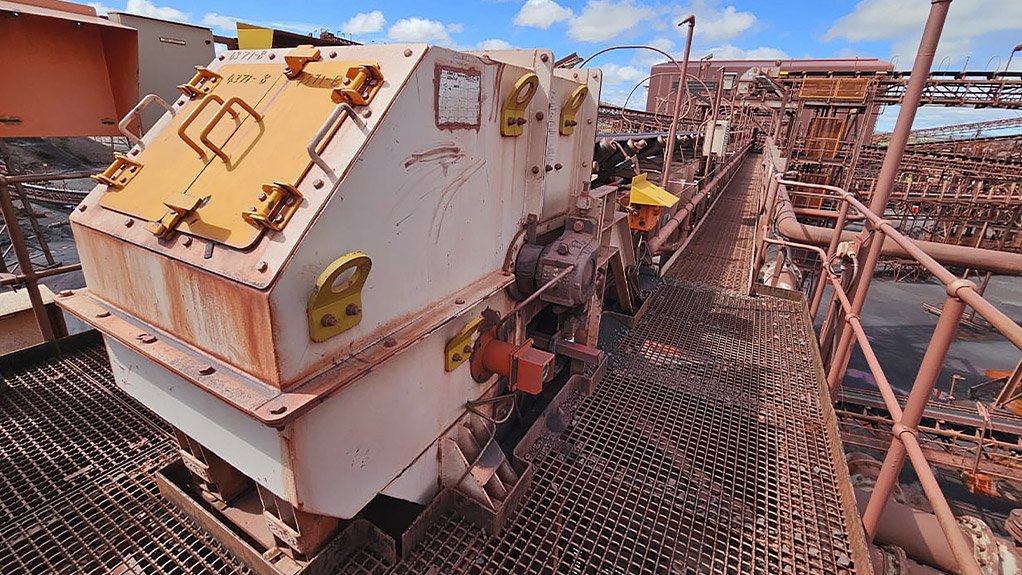
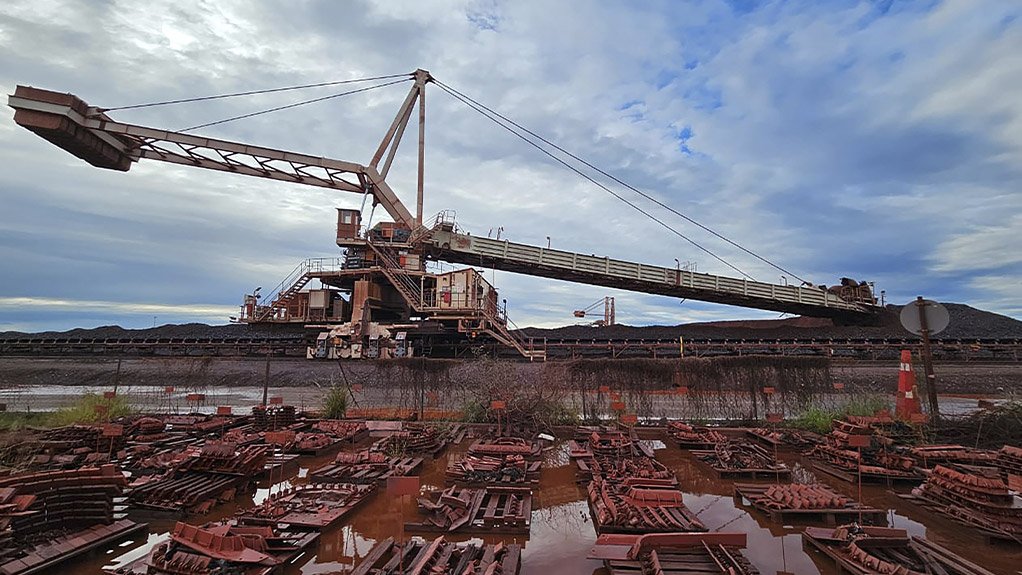
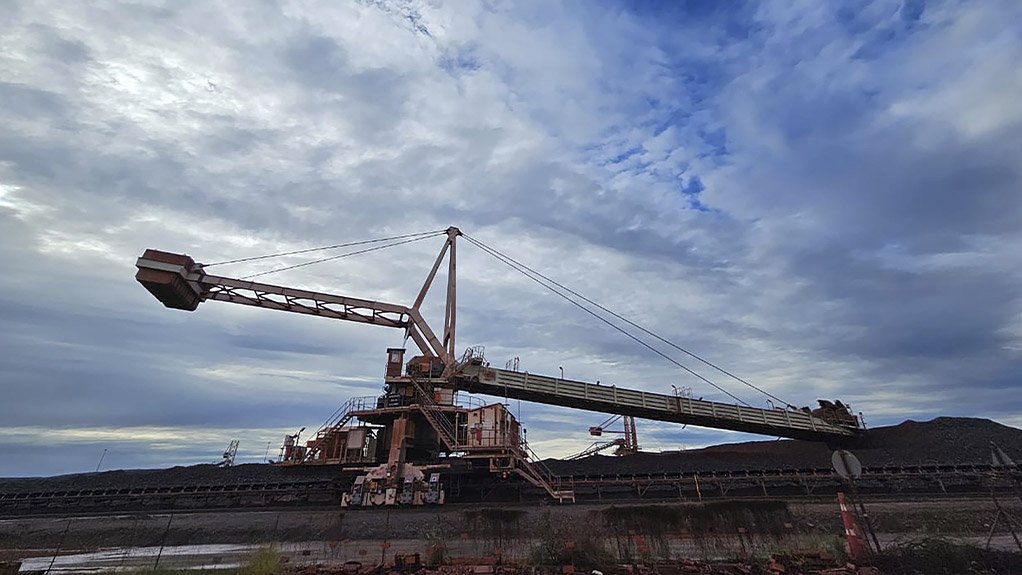
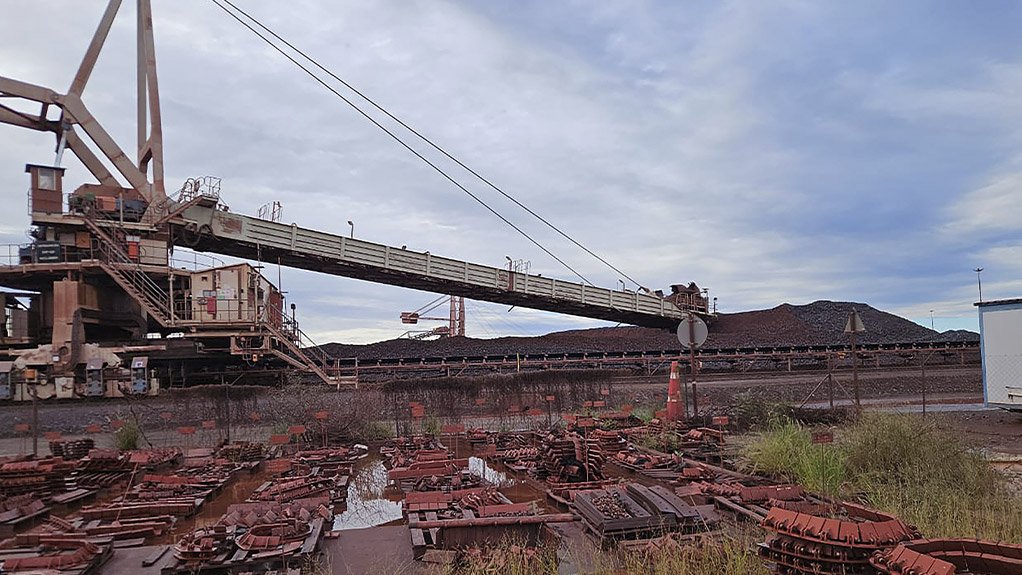
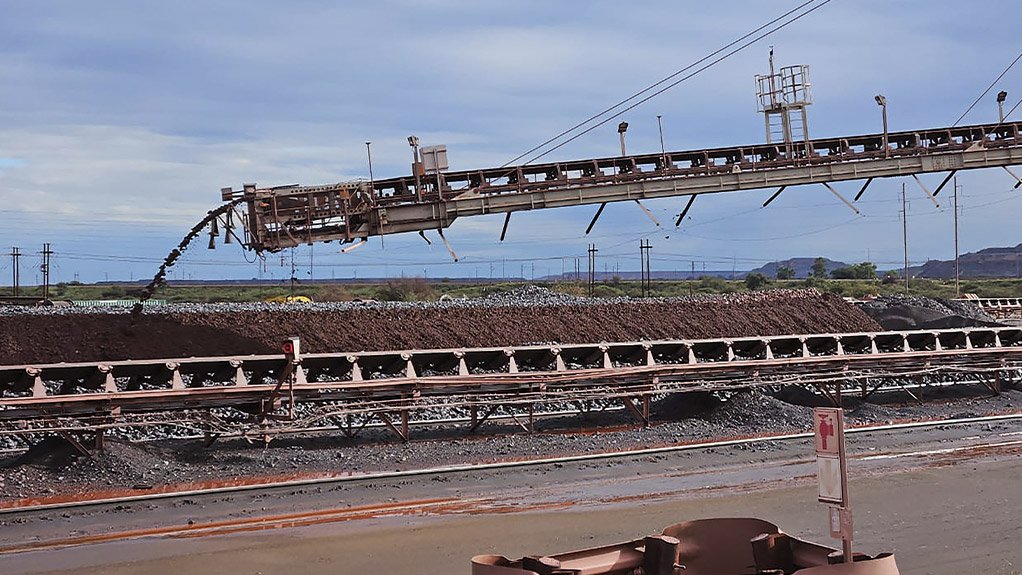
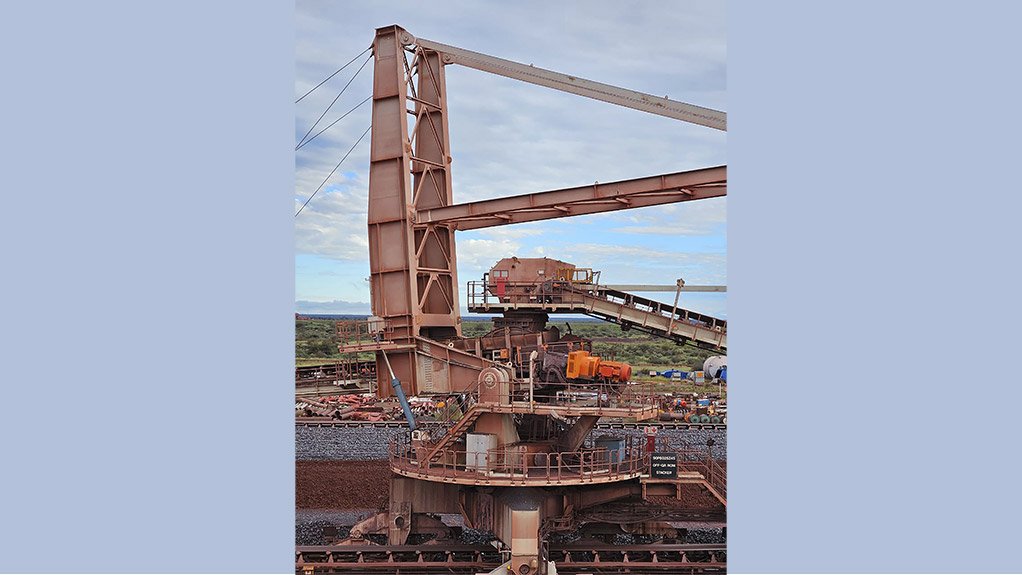
Handling saturated material requires an understanding of moisture-driven flowability and Weba Chute Systems engineers these reclaimer chutes to prevent cohesive buildup in high humidity environments
To counter wet fines and stickiness, Weba Chute Systems’ designs integrate data from minus 4 mm material and larger lumps to ensure consistent flow on reclaimer belts, even in the rain
Using physics-based continuum design, Weba Chute Systems shapes transfer chutes to eliminate dead zones where wet sticky material can compact and cause blockages
As wet ore can behave like clay, Weba Chute Systems’ custom geometry maintains material velocity to prevent the buildup common in standard chutes
Although wet sticky conditions usually require frequent cleaning, Weba Chutes minimise material hang-up, reducing manual intervention and maintaining peak reclaimer throughput during rainy seasons
At discharge points where wet material is unpredictable, custom engineered Weba Chutes control trajectory and velocity so saturated feed lands centrally on the receiving belt without mess or excessive wear
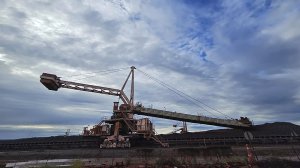
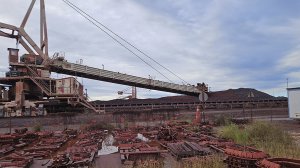
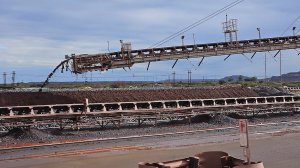
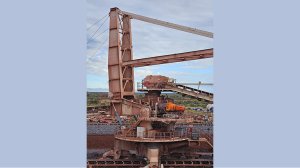


The success of a custom engineered transfer chute begins with understanding how a specific material will behave at the transfer point - and then applying both scientific principles and practical experience to achieve the optimal design.
According to Dewald Tintinger, Technical Manager at Weba Chute Systems, it is the company’s deep focus on the science of flow, combined with decades of hands-on experience, that sets it apart in the global field of transfer point engineering.
“Whether handling sticky manganese ore, cohesive clay or abrasive lumpy run-of-mine feed, it is vital to base chute design on a detailed understanding of how materials flow, compact and interact with liners and geometry,” he says. “Every material behaves differently, so we can’t apply a one-size-fits-all rule.”
The process starts with bulk flow analysis, often conducted in the laboratory using a representative fine fraction - typically the minus 4 mm portion of the material. This sample is tested across different moisture contents, pressures and flow angles to determine flowability under realistic plant conditions.
“This lab work tells you part of the story but minus 4 mm material might only make up 20 to 30% of the actual particle size distribution,” Tintinger notes. “The real challenge is integrating that data with the larger lumpier portion of the material mix.”
This is where experience becomes essential. Drawing on insights from more than 5,000 chute installations worldwide, Weba Chute Systems’ engineers have developed robust design parameters that capture how mixed-size materials behave collectively.
“It is something we have refined over years of lessons learned,” he adds. “The data is important, but knowing how to interpret and apply it to real-world conditions is where our expertise really comes through.”
Digital visualisation also contributes to the process. Discrete Element Modelling (DEM) has become a popular tool for illustrating material flow, and while Weba Chute Systems makes extensive use of the technology, Tintinger emphasises that it is not a design tool.
“DEM is valuable as a validation and communication tool - a way to show clients how the material will behave once it is flowing,” he says. “It helps verify flow patterns, impact zones and wear areas and therefore supports our established design methodology in delivering long term reliability and low maintenance performance.”
However, DEM has limits. It can simulate 60 to 240 seconds of flow but real-world blockages or buildup may take 12 or 24 hours to form. It also cannot replicate real operational conditions such as heat, humidity or the fines generated by belt scrapers and cleaners. Understanding these nuances relies on the on-site experience of Weba Chute Systems’ technicians and engineers.
“Our core methodology remains rooted in what we call the continuum method - a traditional physics-based design approach that has been the backbone of the company’s success,” Tintinger explains.
He concludes that this blend of science and craftsmanship continues to deliver transfer chutes that outperform standard solutions across commodities - honouring fundamental engineering principles while embracing the best of modern tools.
Article Enquiry
Email Article
Save Article
Feedback
To advertise email advertising@creamermedia.co.za or click here


Projects

Latest Multimedia

Latest News


Showroom
M and J Mining are leading suppliers of physical support systems as used by the underground mining industry. Our selection of products are not...
VISIT SHOWROOM
AxFlow AQS Liquid Transfer (Pty) Ltd is an Importer and Distributor of Pumps in Southern Africa
VISIT SHOWROOM


Press Office
Announcements
What's On
Subscribe to improve your user experience...
Option 1 (equivalent of R125 a month):
Receive a weekly copy of Creamer Media's Engineering News & Mining Weekly magazine
(print copy for those in South Africa and e-magazine for those outside of South Africa)
Receive daily email newsletters
Access to full search results
Access archive of magazine back copies
Access to Projects in Progress
Access to ONE Research Report of your choice in PDF format
Option 2 (equivalent of R375 a month):
All benefits from Option 1
PLUS
Access to Creamer Media's Research Channel Africa for ALL Research Reports, in PDF format, on various industrial and mining sectors
including Electricity; Water; Energy Transition; Hydrogen; Roads, Rail and Ports; Coal; Gold; Platinum; Battery Metals; etc.
Already a subscriber?
Forgotten your password?
Receive weekly copy of Creamer Media's Engineering News & Mining Weekly magazine (print copy for those in South Africa and e-magazine for those outside of South Africa)
➕
Recieve daily email newsletters
➕
Access to full search results
➕
Access archive of magazine back copies
➕
Access to Projects in Progress
➕
Access to ONE Research Report of your choice in PDF format
RESEARCH CHANNEL AFRICA
R4500 (equivalent of R375 a month)
SUBSCRIBEAll benefits from Option 1
➕
Access to Creamer Media's Research Channel Africa for ALL Research Reports on various industrial and mining sectors, in PDF format, including on:
Electricity
➕
Water
➕
Energy Transition
➕
Hydrogen
➕
Roads, Rail and Ports
➕
Coal
➕
Gold
➕
Platinum
➕
Battery Metals
➕
etc.
Receive all benefits from Option 1 or Option 2 delivered to numerous people at your company
➕
Multiple User names and Passwords for simultaneous log-ins
➕
Intranet integration access to all in your organisation