Enclosures safeguard physical systems, counter digital threats


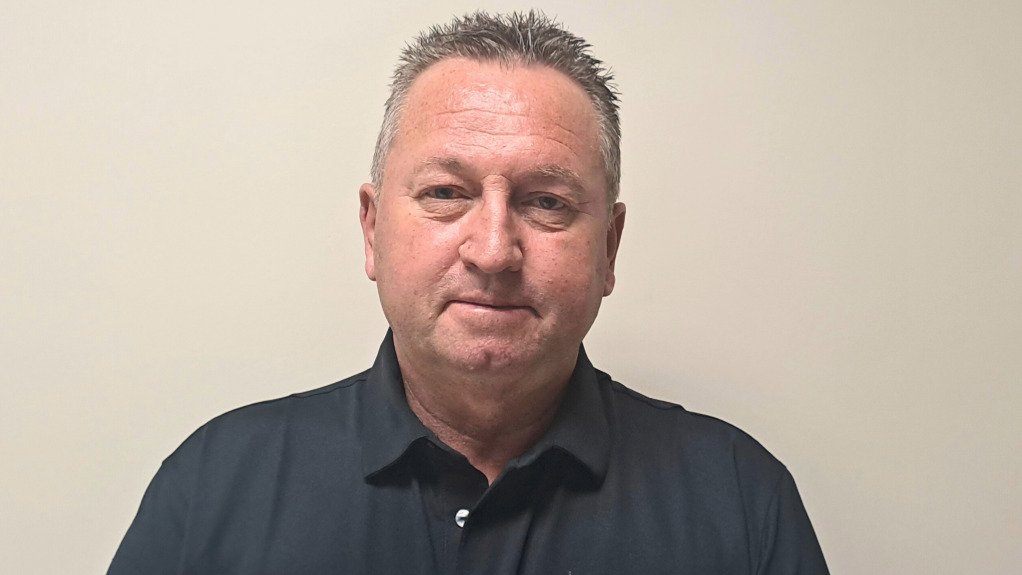
NHLANHLA ZONDO As PPS we believe that South Africa’s needs and challenges are unique, therefore we need local solutions for local problems
Photo by PPS
ERVIN TOTH Innovations, like the I-kiosk and AV-CAB, specifically target infrastructure theft and sabotage, which are major causes of unreliability in the region
Photo by PPS




As industrial systems migrate from isolated ‘air-gapped’ setups to connected Internet-of-Things and cloud-based environments, cybersecurity has shifted from an information technology afterthought to a primary design pillar for electrical enclosure manufacturer Power Process Systems (PPS).
In the African context, particularly in terms of electrical enclosures and systems, PPS operations director Ervin Toth notes that cybersecurity conversations centre on two critical themes: auditability and access control, and protection against “physical hacking”.
“Clients are no longer just worried about external hackers; they are prioritising internal ‘data integrity’. Consequently, our I-Control system features electronic key tracking and remote access logs, allowing utilities to verify exactly who opened a kiosk and when, preventing unauthorised tampering or ‘inside job’ sabotage.”
As part of the I-Control offering, PPS also integrates a controller device into its distribution enclosures, which, when paired with I-Control software, provides a Web-based interface that allows for electrical networks to be monitored, reported on and assessed in real-time without requiring a total overhaul of the primary switchgear.
Toth adds that, regionally, the greatest threat to data integrity is physical: “If a sensor or communication module is stolen, the data stream dies. PPS addresses this by integrating anti-vandalism engineering into the enclosure, ensuring the physical security of the digital hardware.”
In safeguarding the physical infrastructure, the company has actively moved beyond conventional materials, pioneering the use of 3CR12 stainless steel in enclosure manufacturing. This improves durability in harsh environmental conditions prevalent in Africa, consequently reducing life-cycle costs.
He notes that, with instrumentation and control systems becoming increasingly connected, PPS is also aiming to address system reliability and resilience by integrating a “digital layer” of intelligence into physically hardened infrastructure.
The I-Control system, for example, offers an integrated remote monitoring solution, through which PPS provides real-time status updates on parameters such as pump status, valve positions and power fail alarms. This allows for predictive maintenance and the identification of potential failures before they lead to system downtime.
The company also supplies distributed control systems and programmable logic controller panels to ensure that control- related tasks are spread across multiple controllers, thereby preventing a single point of failure and enabling localised machines to function autonomously, even when central communication is lost.
I-Kiosk
PPS developed the I-Kiosk, an intelligent distribution kiosk that combines structural anti-vandal design with real-time data and access control, to protect utility assets from theft and sabotage.
Toth states that the design of the I-Kiosk incorporates anti-vandal features – such as an anti-vandal copper aluminium busbar (AV-CAB), which is specifically engineered to deter copper theft while ensuring grid reliability for local municipalities – as a core requirement, rather than an optional choice.
“Innovations, such as the I-Kiosk and AV-CAB, specifically target infrastructure theft and sabotage, which are major challenges for utilities in the region. By [eliminating the theft of] components and adding structural integrity, they ensure continuous service and revenue protection.”
The I-Kiosk also incorporates the I-Controller, and therefore, benefits from its features.
Local Manufacturing
“As PPS, we believe that South Africa’s needs and challenges are unique; therefore, we need local solutions for local problems,” PPS sales director Nhlanhla Zondo states.
Consequently, the company supplies locally developed products, with every component designed, engineered and tested in-house at the company’s Gauteng and/or Western Cape facilities.
Its computer-numerical control machinery and laminating plants enable it to produce enclosures in stainless steel, fiberglass and polyethylene.
“This versatility allows us to address specific environmental challenges, such as corrosive coastal air in Madagascar or high-theft urban areas in Gauteng,” Zondo explains.
Moreover, PPS complies with SABS 9001/2015 and is approved by the South African Bureau of Standards for products up to the 10-kA fault level.
Zondo adds that local production creates a domestic supply chain for critical spare parts, ensuring that infrastructure can be maintained and refurbished quickly.
Incremental Upgrades
With clients prioritising incremental digital upgrades over full system replacements, the company acts as a strategic technical partner that focuses on life-cycle extension.
“PPS revitalises critical assets, such as mini-substations, by renewing outer shells and inner works – including transformers and low voltage panels – to extend operational life without the cost of full replacement,” Toth states.
When kiosks are damaged or nearing obsolescence, PPS provides intelligent shrouds – such as the I-Kiosk – to add modern security, real-time data monitoring and access control over existing infrastructure.
Further, its integration of locally developed hardware and software platforms into existing enclosures enables clients to monitor legacy electrical networks through a real-time Web interface.
“Recognising that Africa cannot simply ‘build its way out’ of its infrastructure deficit, PPS aims to play its role to ‘smarten up’ existing legacy systems using our unique I-Controller platform where possible, as well as being involved with new and innovative solutions driven by the rapid growth of technology and AI,” Zondo concludes.
Article Enquiry
Email Article
Save Article
Feedback
To advertise email advertising@creamermedia.co.za or click here
Research Reports


Projects

Latest Multimedia
Latest News


Showroom
John Thompson, the leader in energy and environmental solutions through value engineering and innovation, provides the following: design, engineer,...
VISIT SHOWROOM
Rittal is a world leading provider of top-quality integrated systems for enclosures, power distribution, climate control, IT infrastructure and...
VISIT SHOWROOM
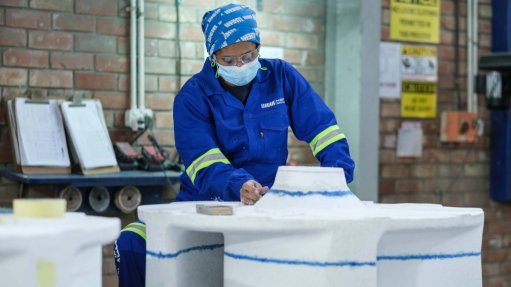


Press Office
Announcements
What's On
Subscribe to improve your user experience...
Option 1 (equivalent of R125 a month):
Receive a weekly copy of Creamer Media's Engineering News & Mining Weekly magazine
(print copy for those in South Africa and e-magazine for those outside of South Africa)
Receive daily email newsletters
Access to full search results
Access archive of magazine back copies
Access to Projects in Progress
Access to ONE Research Report of your choice in PDF format
Option 2 (equivalent of R375 a month):
All benefits from Option 1
PLUS
Access to Creamer Media's Research Channel Africa for ALL Research Reports, in PDF format, on various industrial and mining sectors
including Electricity; Water; Energy Transition; Hydrogen; Roads, Rail and Ports; Coal; Gold; Platinum; Battery Metals; etc.
Already a subscriber?
Forgotten your password?
Receive weekly copy of Creamer Media's Engineering News & Mining Weekly magazine (print copy for those in South Africa and e-magazine for those outside of South Africa)
➕
Recieve daily email newsletters
➕
Access to full search results
➕
Access archive of magazine back copies
➕
Access to Projects in Progress
➕
Access to ONE Research Report of your choice in PDF format
RESEARCH CHANNEL AFRICA
R4500 (equivalent of R375 a month)
SUBSCRIBEAll benefits from Option 1
➕
Access to Creamer Media's Research Channel Africa for ALL Research Reports on various industrial and mining sectors, in PDF format, including on:
Electricity
➕
Water
➕
Energy Transition
➕
Hydrogen
➕
Roads, Rail and Ports
➕
Coal
➕
Gold
➕
Platinum
➕
Battery Metals
➕
etc.
Receive all benefits from Option 1 or Option 2 delivered to numerous people at your company
➕
Multiple User names and Passwords for simultaneous log-ins
➕
Intranet integration access to all in your organisation