IMF proffers suggestions for South Africa’s economy




To keep South Africa’s economy stable and resilient, it is important to follow prudent fiscal policies that reduce public debt without impeding growth.
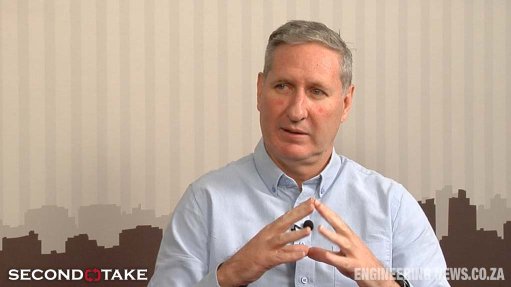
This is according to mission chief Delia Velculescu, who was interviewed by the organisation’s Country Focus, following the release of the IMF’s recent Article IV economic report.
The government’s fiscal strategy, as set out in its 2025 Medium-Term Budget Policy Statement, focuses on stabilising public debt in the near term and lowering it to about 70% in the long run. This strategy will be underpinned by efforts to make spending more efficient, while protecting support for vulnerable people and key priorities, Velculescu explains.
This year’s Budget, set to be delivered by Finance Minister Enoch Godongwana on February 25, is expected to play a pivotal role in reaching these goals.
Velculescu emphasises that authorities will have to deliver on their target of a primary budget surplus of 1.5% of GDP, which requires credible reforms such as controlling the public-sector wage bill, making public procurement more efficient and transparent, maintaining close oversight of State-owned enterprises and boosting administrative efficiency which includes cutting programmes that are ineffective or duplicated.
“By better targeting social grants and eliminating fraud, more resources can go toward those most in need. Making full use of digital and AI technology in tax collection can also help raise compliance and increase revenues,” she posits.
Velculescu stresses that reaching the government’s long-term debt goal requires further fiscal action.
She says that establishing a clear, well-designed fiscal rule that is based on a prudent debt target can help encourage discipline, build trust in policies and reduce borrowing costs.
The IMF Country Focus highlights that South Africa showcases notable economic resilience in the face of global turbulence, successfully maintaining macroeconomic stability and controlling inflation.
Despite this, the country still faces relatively slow economic growth, high public debt and significant unemployment, especially among young people, and there are also concerns about the reliability of key infrastructure such as electricity, freight rail, ports and water.
Therefore, to unlock the country’s significant economic potential, policymakers should pursue policies that focus on low and steady inflation, a sound financial system, and healthy government finances, while stepping up reforms supporting stronger economic growth, the Country Focus points out.
Velculescu welcomes the progress achieved thus far by Operation Vulindlela, which targets key constraints to growth.
“In the electricity sector, reforms permitting private participation have contributed to stabilising supply, including from renewable sources. Likewise, logistics reforms have opened freight rail and ports to private investment and competition, while ongoing water-sector reforms aim to enhance the delivery of municipal services,” she highlights.
Velculescu calls for continued, resolute implementation of these sectoral reforms, with the IMF also recommending a comprehensive package of cross-sectoral reforms to improve the business environment, address governance challenges and corruption and increase labour market flexibility.
“Our analysis indicates that closing half of the gap between South Africa and emerging market best practices in these areas could result in an increase in real output of up to a 9% over the medium term. This may support annual growth rates of up to 3%, facilitating more sustainable reductions in unemployment and public debt,” she highlights.
Article Enquiry
Email Article
Save Article
Feedback
To advertise email advertising@creamermedia.co.za or click here

Projects


Latest Multimedia

Latest News

Showroom
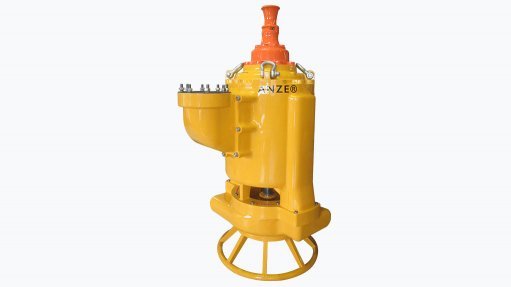
Goodwin Submersible Pumps Africa is sole distributors for Goodwin electrically driven, submersible, abrasion resistance slurry pumps.
VISIT SHOWROOM
The Beneficiation Academy is a certified training institution that follows all compliance legislation and is accredited with various Sector...
VISIT SHOWROOM
Press Office
Announcements
What's On
Subscribe to improve your user experience...
Option 1 (equivalent of R125 a month):
Receive a weekly copy of Creamer Media's Engineering News & Mining Weekly magazine
(print copy for those in South Africa and e-magazine for those outside of South Africa)
Receive daily email newsletters
Access to full search results
Access archive of magazine back copies
Access to Projects in Progress
Access to ONE Research Report of your choice in PDF format
Option 2 (equivalent of R375 a month):
All benefits from Option 1
PLUS
Access to Creamer Media's Research Channel Africa for ALL Research Reports, in PDF format, on various industrial and mining sectors
including Electricity; Water; Energy Transition; Hydrogen; Roads, Rail and Ports; Coal; Gold; Platinum; Battery Metals; etc.
Already a subscriber?
Forgotten your password?
Receive weekly copy of Creamer Media's Engineering News & Mining Weekly magazine (print copy for those in South Africa and e-magazine for those outside of South Africa)
➕
Recieve daily email newsletters
➕
Access to full search results
➕
Access archive of magazine back copies
➕
Access to Projects in Progress
➕
Access to ONE Research Report of your choice in PDF format
RESEARCH CHANNEL AFRICA
R4500 (equivalent of R375 a month)
SUBSCRIBEAll benefits from Option 1
➕
Access to Creamer Media's Research Channel Africa for ALL Research Reports on various industrial and mining sectors, in PDF format, including on:
Electricity
➕
Water
➕
Energy Transition
➕
Hydrogen
➕
Roads, Rail and Ports
➕
Coal
➕
Gold
➕
Platinum
➕
Battery Metals
➕
etc.
Receive all benefits from Option 1 or Option 2 delivered to numerous people at your company
➕
Multiple User names and Passwords for simultaneous log-ins
➕
Intranet integration access to all in your organisation