Key differences between geotechnical report vs soil test



Understanding the ground underneath a future building shapes everything that follows, from how deep the foundations go to whether the site will behave well during heavy rain. This is where soil tests and full geotechnical reports step in, highlighting the value of thorough geotechnical programmes.
They sound similar but they serve very different purposes, and knowing when to rely on each one can prevent costly surprises and strengthen the long-term performance of a structure.
Soil Test
Unlike geotechnical reports, a soil test focuses on the basic physical and chemical properties of the soil. It looks at moisture levels, compaction, classification and bearing capacity as well as things like pH or contamination if the project requires it.
Think of it as a snapshot of the soil’s behaviour at surface and shallow depths. Builders often request it when they need to confirm whether the soil can support straightforward foundations or when they want clarity before pouring concrete on a small residential project.
Because it stays relatively narrow, a soil test rarely digs into deeper geological risks. It will not map layers far below the surface or evaluate how the ground might respond under varying loads over time.
While it is useful and quick, it is not designed to flag long-term movement or instability that might affect a larger or more complex structure.
Geotechnical Report
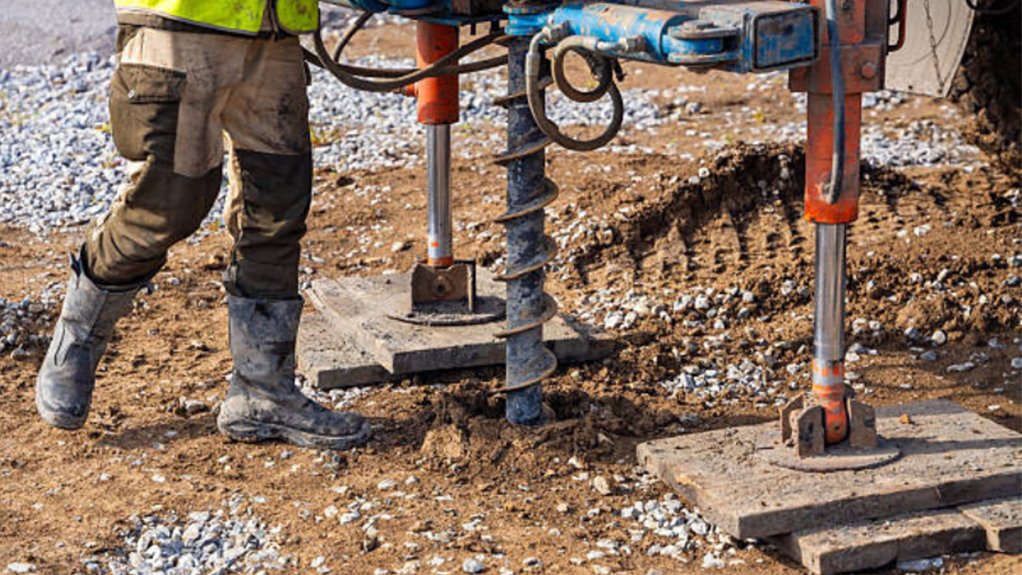
Geotechnical reports go further by investigating the subsurface as a whole. Engineers drill boreholes, extract samples and run advanced analyses that reveal how different soil and rock layers interact.
In addition to assessing bearing capacity, they study slope stability, groundwater conditions and settlement risks, not only at one point but across the site’s broader environment.
The report explains how the land will behave during excavations or sustained load, while offering foundation recommendations that match those conditions. It stretches beyond data collection to interpretation, giving engineers a roadmap for safe design.
In projects involving multi-storey buildings, retaining walls, bridges or areas prone to erosion, a geotechnical report is not just helpful, it is essential.
When You Need a Soil Test
You can rely on a soil test when the structure is small, the ground appears stable and the site history is predictable. Residential extensions, small warehouses or simple slab foundations often fall into this category.
A soil test keeps the process efficient while still giving builders enough information to proceed with confidence.
Property buyers also request soil tests when they want reassurance before signing an offer to purchase. It offers a quick read on whether the site carries obvious risks without the cost of a full investigation.
When a Geotechnical Report Becomes Necessary
A geotechnical report becomes crucial when the stakes rise. Heavy public and commercial installations and structures on slopes or flood-prone land all require deeper evaluation.
So do sites with clay-rich soils that swell and shrink or areas with mining history where subsidence might occur. In these situations, a basic soil test simply does not reach far enough.
Choosing between the two hinges on the complexity of the project and the behaviour of the land. When in doubt, err toward the report that gives you the fullest picture. Safe foundations start long before the first trench is dug, shaped by the decisions made underground.
Article Enquiry
Email Article
Save Article
Feedback
To advertise email advertising@creamermedia.co.za or click here

Projects

Latest Multimedia

Latest News


Showroom

The Aluminium Federation of South Africa (AFSA), is the voice of the South African aluminium industry.
VISIT SHOWROOM



Announcements
What's On
Subscribe to improve your user experience...
Option 1 (equivalent of R125 a month):
Receive a weekly copy of Creamer Media's Engineering News & Mining Weekly magazine
(print copy for those in South Africa and e-magazine for those outside of South Africa)
Receive daily email newsletters
Access to full search results
Access archive of magazine back copies
Access to Projects in Progress
Access to ONE Research Report of your choice in PDF format
Option 2 (equivalent of R375 a month):
All benefits from Option 1
PLUS
Access to Creamer Media's Research Channel Africa for ALL Research Reports, in PDF format, on various industrial and mining sectors
including Electricity; Water; Energy Transition; Hydrogen; Roads, Rail and Ports; Coal; Gold; Platinum; Battery Metals; etc.
Already a subscriber?
Forgotten your password?
Receive weekly copy of Creamer Media's Engineering News & Mining Weekly magazine (print copy for those in South Africa and e-magazine for those outside of South Africa)
➕
Recieve daily email newsletters
➕
Access to full search results
➕
Access archive of magazine back copies
➕
Access to Projects in Progress
➕
Access to ONE Research Report of your choice in PDF format
RESEARCH CHANNEL AFRICA
R4500 (equivalent of R375 a month)
SUBSCRIBEAll benefits from Option 1
➕
Access to Creamer Media's Research Channel Africa for ALL Research Reports on various industrial and mining sectors, in PDF format, including on:
Electricity
➕
Water
➕
Energy Transition
➕
Hydrogen
➕
Roads, Rail and Ports
➕
Coal
➕
Gold
➕
Platinum
➕
Battery Metals
➕
etc.
Receive all benefits from Option 1 or Option 2 delivered to numerous people at your company
➕
Multiple User names and Passwords for simultaneous log-ins
➕
Intranet integration access to all in your organisation