Quality risks erode plastic pipe performance

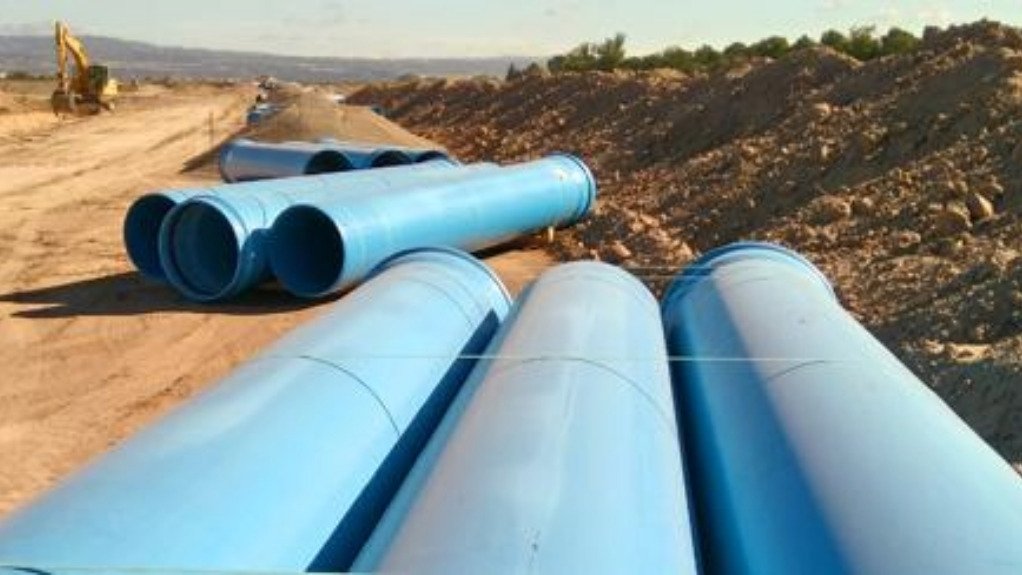
FAR REACHING IMPACTS Small installation errors can lead to catastrophic failures later on
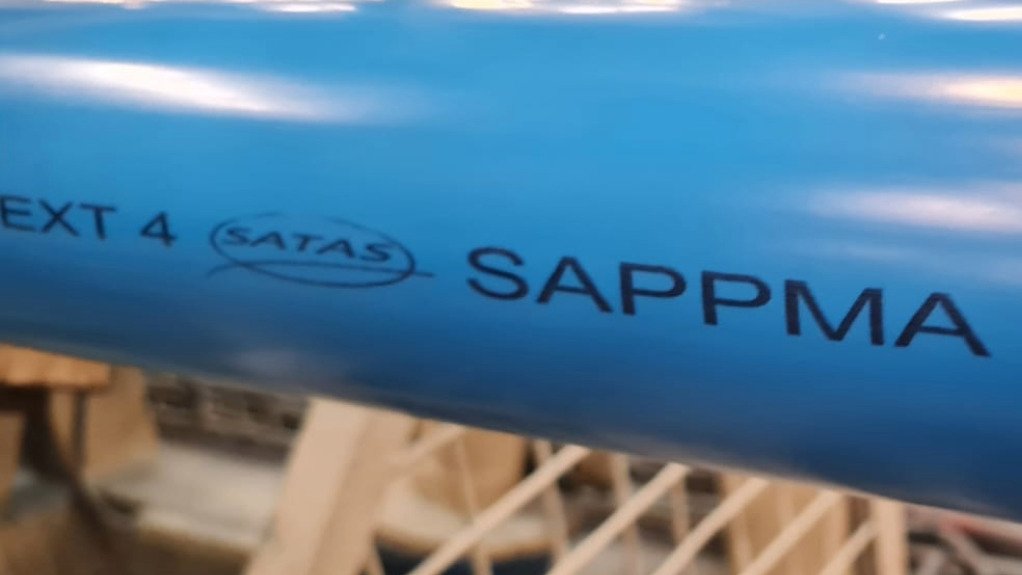
QUALITY ASSURANCE Sappma plays a central role in safeguarding quality through standards-based self-regulation



While advancements in polymer science and extrusion technology have improved plastic pipe performance, various industry challenges have resulted in rising quality risks that can precipitate significant failures, says industry body Southern African Plastic Pipe Manufacturers Association (Sappma) CEO Jan Venter.
South Africa’s plastic pipes industry remains one of the most dynamic segments of the construction and infrastructure value chain, driven by technological innovation, growing infrastructure pressure and an increasing focus on sustainability, says Venter.
He explains that, over the past four decades, the design stress of plastic pipe materials has increased significantly. As a result, modern plastic pipes can safely operate at higher pressures while using material more efficiently.
Additionally, modern extrusion lines now operate at higher speeds with improved quality control, allowing manufacturers to produce consistent, high- performance pipes at scale. This has supported growing demand for large-diameter plastic pipes used in bulk water supply, sewage, stormwater, mining and industrial applications.
However, despite strong growth prospects, the industry faces several structural and operational challenges.
Venter explains that polymer costs remain high and volatile. Further, while a significant portion of raw material is produced locally, prices track international parity, offering no insulation to global fluctuations. This has contributed to a price-driven procurement culture, often at the expense of quality.
Another significant challenge is poor installation, with Venter noting that it contributes to a significant portion of pipe failures as opposed to manufacturing defects.
He explains that common issues linked to poor installation include inadequate installer training, incorrect welding parameters, contamination of pipe ends during jointing and failure to follow manufacturer and standard installation procedures.
Other contributors include cost-driven contractor selection, and the use of low-quality imported welding equipment with insufficient technical guidance.
“Plastic is forgiving, and that creates a dangerous illusion that precision doesn’t matter. In reality, small installation errors can lead to catastrophic failures years later,” Venter states.
To address installation risks, Sappma provides technical guidance to engineers and municipalities, assistance with correct specification writing and education on thermal expansion, compaction, bedding and testing.
Further, the association conducts regular engagement with standards committees to refine national standards.
Other key concerns include infrastructure and governance challenges. While water and sanitation pipelines are long-term strategic assets, they are often treated as short-term cost items.
“If a compliant pipe sells for R10 and another is offered at R5, that should immediately raise red flags. Yet buyers are still tempted by short-term savings, ignoring life-cycle costs and long-term risk,” Venter says.
He stresses that failures lead to service disruptions, water losses and socioeconomic consequences. Pipelines are necessary for functioning society, therefore, undermining their quality undermines “everything built on top of them”.
Regulation
Venter emphasises the need for standards and certification to mitigate poor installation and cost-cutting practices, explaining that Sappma plays a central role in safeguarding quality through standards-based self-regulation.
All Sappma members must hold certification from standards bodies such as South African Bureau of Standards or South African Technical Auditing Services. Members are also subjected to regular, unannounced factory audits focusing on products, processes and compliance and are audited at least twice a year, over and above statutory requirements, he explains.
“Only manufacturers which consistently meet our technical and ethical requirements are allowed to use the Sappma logo. It is a visible assurance of quality and accountability,” he says.
Venter asserts that the industry’s self-regulation model is highly effective when properly enforced, as it is driven by technical expertise and accountability.
“Our unannounced audits, certification requirements and peer scrutiny create a culture of compliance that goes beyond box-ticking. Unlike reactive enforcement, Sappma’s model is preventative, identifying risks before products reach the market,” he says.
Looking ahead, Sappma’s vision is centred on quality, resilience and generational infrastructure. Key focus areas going into this year include expanding education and installer competence programmes, increasing awareness of life-cycle value versus upfront cost and strengthening standards development and compliance.
“Our goal is simple but profound: to ensure that the infrastructure built today still serves our children and grandchildren tomorrow,” Venter concludes.
Article Enquiry
Email Article
Save Article
Feedback
To advertise email advertising@creamermedia.co.za or click here


Latest Multimedia


Latest News


Showroom
ISO-certified Condra manufactures overhead cranes, portal cranes, cantilever cranes and crane components: hoists, drives, end-carriages, brakes and...
VISIT SHOWROOM
Columbus Stainless, based in Middelburg, Mpumalanga, is Africa’s only producer of stainless steel flat products. In addition, Columbus is the only...
VISIT SHOWROOM


Press Office
Announcements
What's On
Subscribe to improve your user experience...
Option 1 (equivalent of R125 a month):
Receive a weekly copy of Creamer Media's Engineering News & Mining Weekly magazine
(print copy for those in South Africa and e-magazine for those outside of South Africa)
Receive daily email newsletters
Access to full search results
Access archive of magazine back copies
Access to Projects in Progress
Access to ONE Research Report of your choice in PDF format
Option 2 (equivalent of R375 a month):
All benefits from Option 1
PLUS
Access to Creamer Media's Research Channel Africa for ALL Research Reports, in PDF format, on various industrial and mining sectors
including Electricity; Water; Energy Transition; Hydrogen; Roads, Rail and Ports; Coal; Gold; Platinum; Battery Metals; etc.
Already a subscriber?
Forgotten your password?
Receive weekly copy of Creamer Media's Engineering News & Mining Weekly magazine (print copy for those in South Africa and e-magazine for those outside of South Africa)
➕
Recieve daily email newsletters
➕
Access to full search results
➕
Access archive of magazine back copies
➕
Access to Projects in Progress
➕
Access to ONE Research Report of your choice in PDF format
RESEARCH CHANNEL AFRICA
R4500 (equivalent of R375 a month)
SUBSCRIBEAll benefits from Option 1
➕
Access to Creamer Media's Research Channel Africa for ALL Research Reports on various industrial and mining sectors, in PDF format, including on:
Electricity
➕
Water
➕
Energy Transition
➕
Hydrogen
➕
Roads, Rail and Ports
➕
Coal
➕
Gold
➕
Platinum
➕
Battery Metals
➕
etc.
Receive all benefits from Option 1 or Option 2 delivered to numerous people at your company
➕
Multiple User names and Passwords for simultaneous log-ins
➕
Intranet integration access to all in your organisation