Upcoming launch of electricity market seen as key step towards competition

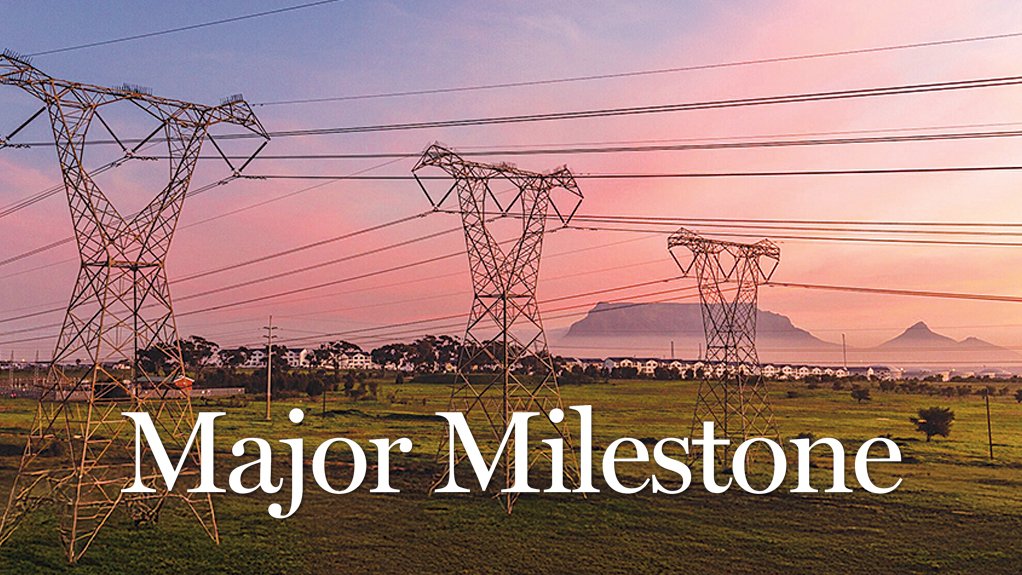

ELECTRICITY TRADING Businesses have adopted renewable and alternative electricity solutions, which drove a greater sense of urgency to transition to a more diverse electricity market
TRANSMISSION GRID South Africa should aim to release 5 GW of new grid capacity during the year, said Mackay
LONG-DISTANCE TRANSMISSION South Africa is in phase three of its transition to a liberalised electricity market
MASEDI TLHONG South Africa must move from an electricity sector in reform to a sector that is reformed, functional and thriving
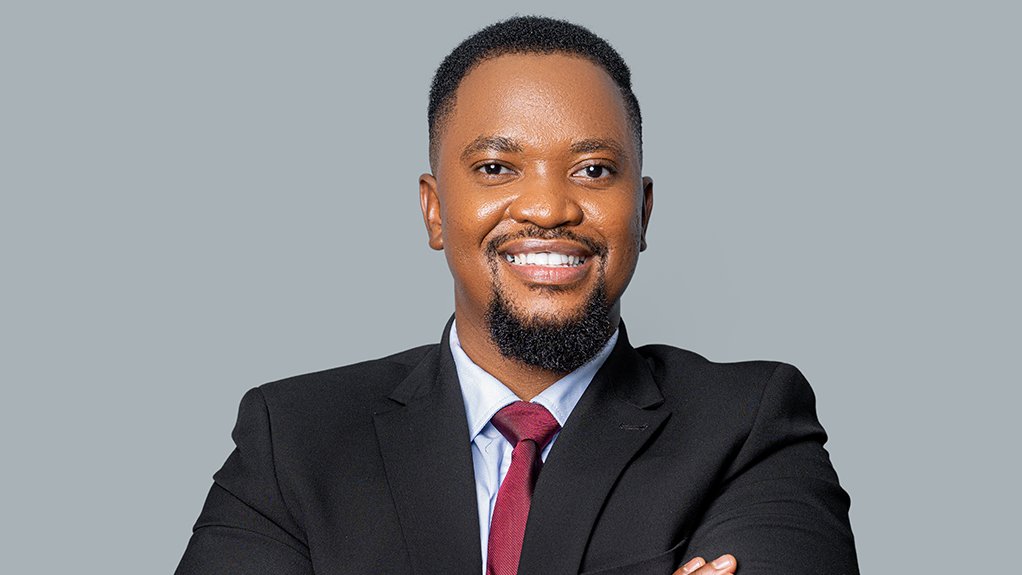
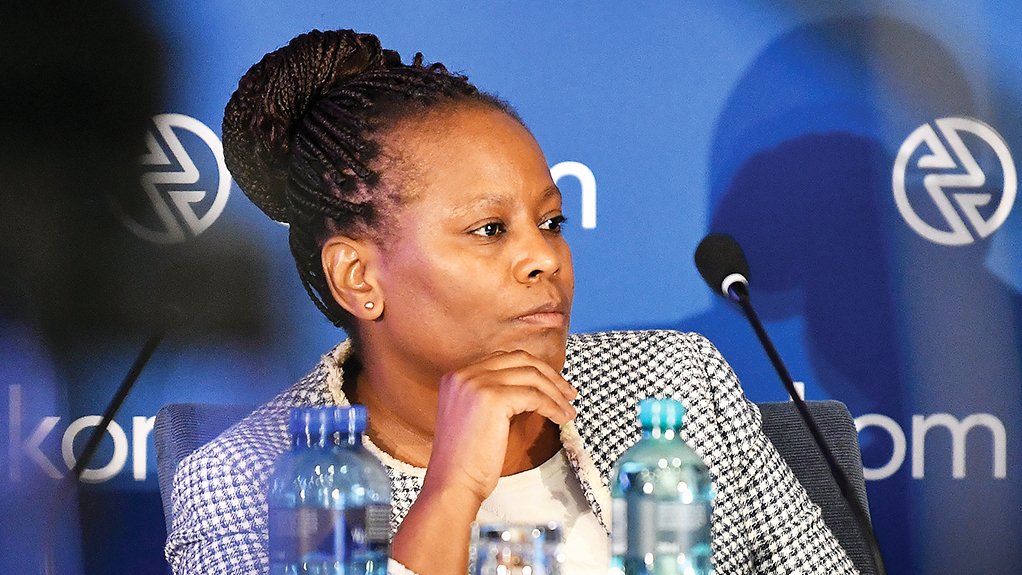
NONTOKOZO HADEBE Eskom is working on the business models for the newly separated distribution and generation companies
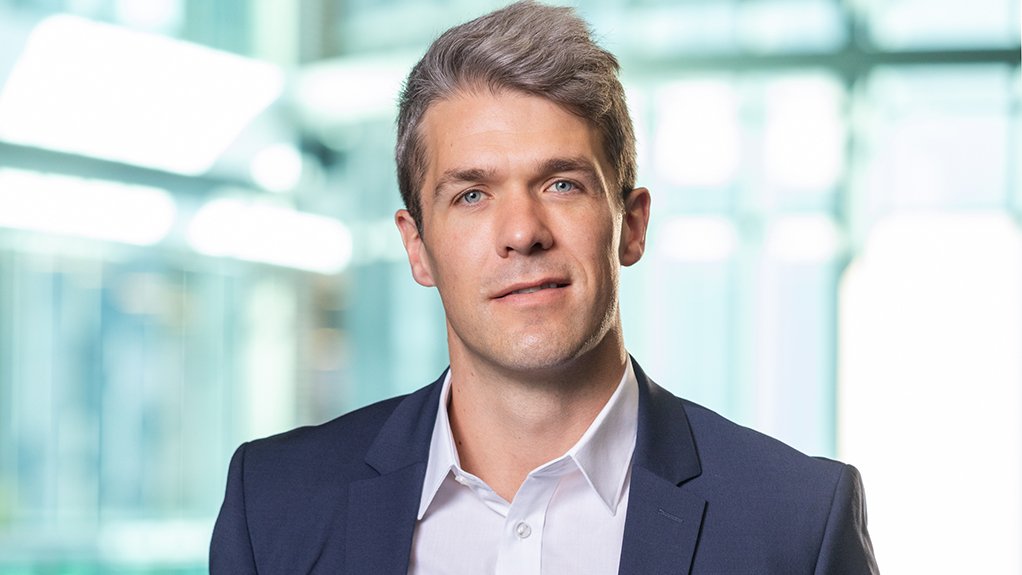
ANDRE NEPGEN South Africa is in the second year of the liberalisation of the market, with 2 GW of private renewable generation for the commercial and industrial space under construction
LEONE HUMAN The electricity industry must use the skills available in the private sector to fast-track grid expansion
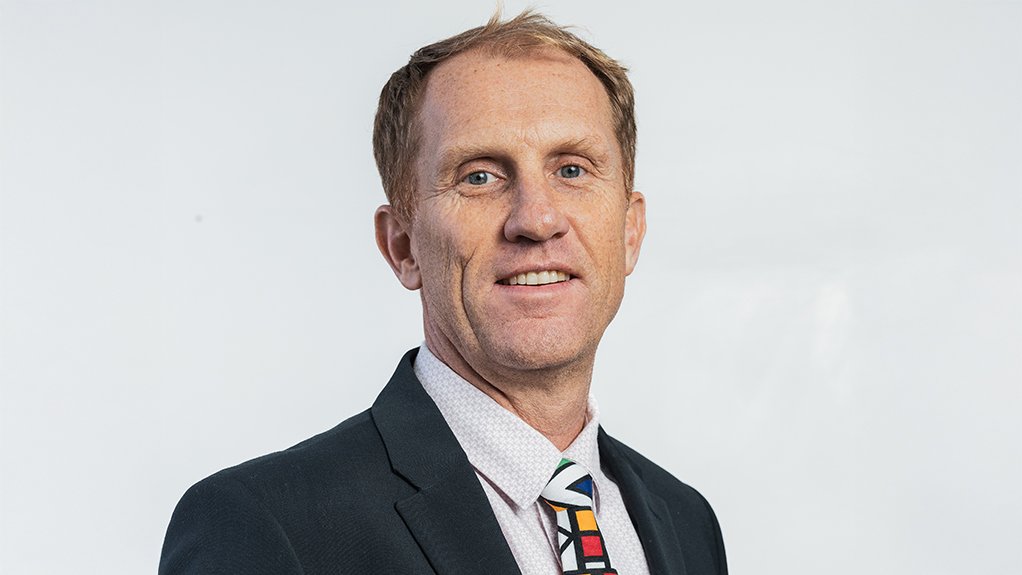
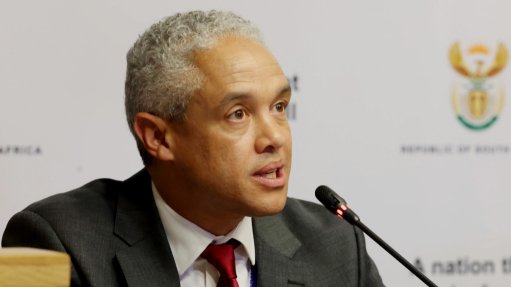
JAMES MACKAY The launch of SAWEM is necessary to build confidence and create price discovery
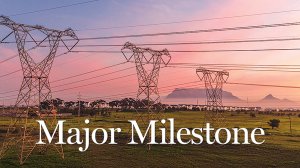
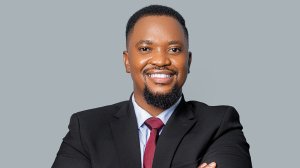
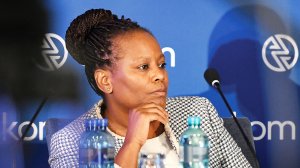


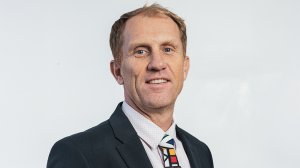


Various organisations in the electricity sector are anticipating the start of the South African Wholesale Electricity Market (SAWEM) this year as a step towards phasing in a liberalised market, in which various participants will provide services – from generation, transmission, distribution, aggregation and sales to balancing and peaking services.
The objective is “to move from a sector in reform to a sector that is reformed, functional and thriving”, according to law firm TGR Attorneys director Masedi Tlhong.
Thlong participated in the webinar hosted last month by Creamer Media: South Africa’s Energy Outlook 2026 – Sustaining Reform Momentum.
Significant quantities of work had been done to prepare South Africa for a liberalised electricity market, said State-owned Eskom Group strategy and sustainability executive Nontokozo Hadebe and renewable- energy trader Discovery Green head André Nepgen.
“We are in the second year of the liberalisation of the market, from a private-sector point of view, with 2 GW of private renewable generation for the commercial and industrial space under construction,” said Nepgen.
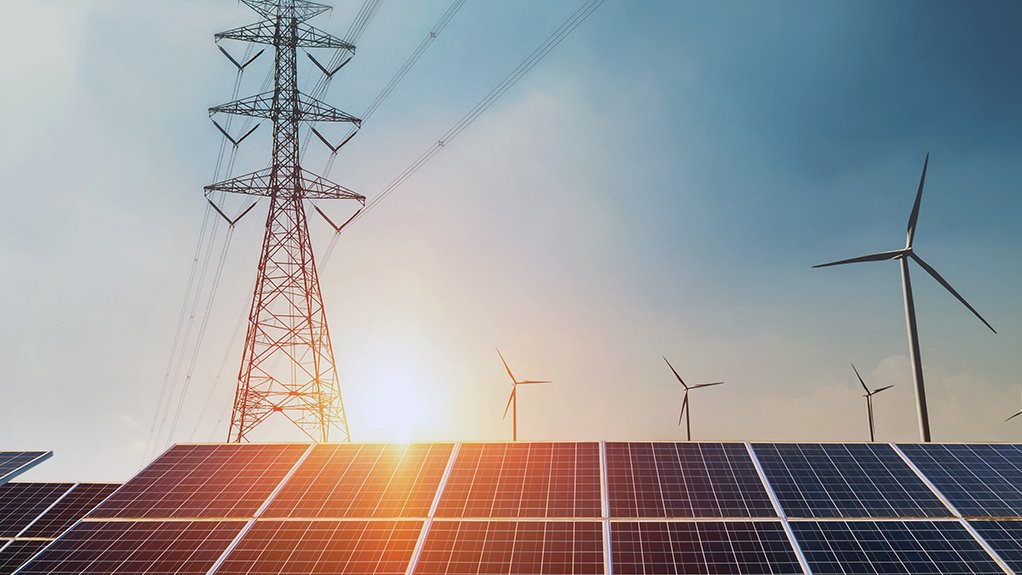
Owing to South Africa’s energy challenges, many businesses became familiar with, and adopted, renewable and alternative electricity solutions. This, in turn, drove a greater sense of urgency to transition to a more diverse electricity market, as businesses became comfortable with and interested in, and were deploying, these solutions, he added.
The structural reform journey has taken a long time, in part because of insufficient electricity supply. However, transmission system operator (TSO) the National Transmission Company South Africa (NTCSA) has been separated from Eskom, said Hadebe.
The immediate priority is stabilising the operations of this TSO over the next five years, paving the way for its full establishment and operational independence.
“The National Energy Regulator of South Africa granted the NTCSA a market operator licence in November 2025 that will allow the SAWEM to be launched. We are anticipating this as the next big step.
“In addition to the unbundling, Eskom is also working on the business models for the new companies, such as for the distribution business,” she said.
The unbundling of Eskom is essential for creating a level playing field – the cornerstone of a liberalised market – and a context in which the rules are known creates transparency, trust and confidence, explained financial advisory firm Cresco associate director Olga Suchkova.
For investment to flow into South Africa’s energy sector, the necessary market foundations need to be in place. The wholesale market must be introduced in phases, with different participants entering the value chain at different times, provided the process builds trust and ensures a level playing field, she said.
The launch of the SAWEM is an important milestone – even if it is launched with a limited handful of companies. This will send the right message and the sector will start to see some data that industry participants and stakeholders can use in analyses and projections.
“This data is critical for all parties, and especially investors, to draft their strategies and prepare for changes. While international examples of wholesale electricity markets can help us to solve many of the challenges, this type of data will help all market participants,” she said.
The unbundling was necessary to create a TSO with assets that it could leverage to fund grid expansion, and which could independently decide on what to build and the speed at which to do so, added industry organisation South African Independent Power Producer Association chairperson Leoné Human.
Consequently, this would create interest from investors because there would no longer be an inter-dependence between the TSO and Eskom, she added.
“We need to start now with the market launch. It is complex, but it is necessary for decentralisation, stability, commercial understanding, price discovery and investor confidence, among others,” said industry organisation the Energy Council of South Africa CEO James Mackay.
“There are so many touchpoints that we must see the market launch because it is going to take time to build confidence and get price discovery,” he stated.
A further concern is the price trajectory and affordability of electricity, at a time when there are a lot of inefficiencies in the system.
“This links to the unbundling, not only of the TSO, which is forward-looking, but also how we can deal with the generation licensee and the distribution licensee and get the efficiencies we need out of them.”
The generation licensee carries all the older coal-fired generation assets, while the distribution licensee carries a lot of municipal debt – this is where many of the inefficiencies that need to be removed are embedded.
“Therefore, if we want to see affordability and system prices coming down, we have to deal with Eskom restructuring and Eskom inefficiencies, as well as address local government challenges,” Mackay said.
New Grid
The transition involves many moving parts, and the country needs to embed the reforms it has prepared and put them into operation, Mackay said.
The first phase of South Africa’s Energy Action Plan, which was developed by the National Energy Crisis Committee (NECOM), focused on recovering from loadshedding, while the second centred on market design.
Phase 3, he said, is now focused on implementation.
“If we can release grid, then investors will come. Investors know we must move in this direction, and there is growing confidence that we are getting to the required structure and are cooperating to achieve this,” Mackay said.
He added that while building confidence in the transition and ensuring system stability are crucial, the country must urgently develop grid capacity.
The target is to release 5 GW this year, so that more projects can reach financial-close decisions by year-end. Failure to meet this target will place the industry’s investment cycle and growth at risk and heighten the chances of another electricity deficit by 2029, said Mackay.
“We must build grid with a lot more urgency,” he emphasised.
Given the geographical spread and magnitude of the grid development required, close cooperation between public and private organisations will be essential to ensure the availability of the technical skills needed for this specialised work, said Human.
“Rather than trying to reach the required grid expansion independently, we could use the skills available in the private sector to fast-track the process of grid expansion. Otherwise, we will not get the scale in the time that we require,” she said.
Grid capacity remains the most pressing challenge and is the primary focus of Eskom’s efforts through the NTCSA, said Hadebe.
“We understand the need for speed and the limits of Eskom’s capacity to execute this. Therefore, we need to collaborate to achieve this. The Independent Transmission Infrastructure Procurement Programme is an example of how this can be done through collaboration between the NTCSA, the private sector and government.
“Our teams are looking at different models of how to roll out grid infrastructure to accelerate implementation. This, in addition to Eskom’s investment plans and the significant amount of capital investment that will be undertaken by the NTCSA, will help to accelerate grid expansion,” she said.
Meanwhile, NECOM met on January 27 to discuss Phase 3 of South Africa’s response to its energy challenges, and the gathering also had briefings from President Cyril Ramaphosa and Electricity and Energy Minister Kgosientsho Ramokgopa.
“Phase 3 is about implementation under the theme of inclusive growth, jobs and confidence. We are moving out of crisis and away from centralised control under the Presidency into the implementation phase,” Mackay said.
An important point that Ramaphosa raised is that the TSO is a complex process and, while the private sector is needed to expand investment in the grid, the country also needs a sustainable and financially sound Eskom.
“If we lose either [private sector participation or Eskom], then we lose an important element underpinning the reform programme. The messages from the President and Minister focused on the need to build confidence and build on the transformation.
“In 2026, the agreement between the Minister and business organisation Business For South Africa is that we must focus on sustaining the reform and embedding cost-competitive electricity while avoiding future loadshedding,” Mackay said.
Article Enquiry
Email Article
Save Article
Feedback
To advertise email advertising@creamermedia.co.za or click here

Projects
Latest Multimedia

Latest News

Showroom

Established in 1983, the ASTPM is an industry association and representative body of the welded carbon steel tube and pipe manufacturers of South...
VISIT SHOWROOM
Smart energy storage solutions for efficient, safe, and profitable power.
VISIT SHOWROOM
Press Office
Announcements
What's On
Subscribe to improve your user experience...
Option 1 (equivalent of R125 a month):
Receive a weekly copy of Creamer Media's Engineering News & Mining Weekly magazine
(print copy for those in South Africa and e-magazine for those outside of South Africa)
Receive daily email newsletters
Access to full search results
Access archive of magazine back copies
Access to Projects in Progress
Access to ONE Research Report of your choice in PDF format
Option 2 (equivalent of R375 a month):
All benefits from Option 1
PLUS
Access to Creamer Media's Research Channel Africa for ALL Research Reports, in PDF format, on various industrial and mining sectors
including Electricity; Water; Energy Transition; Hydrogen; Roads, Rail and Ports; Coal; Gold; Platinum; Battery Metals; etc.
Already a subscriber?
Forgotten your password?
Receive weekly copy of Creamer Media's Engineering News & Mining Weekly magazine (print copy for those in South Africa and e-magazine for those outside of South Africa)
➕
Recieve daily email newsletters
➕
Access to full search results
➕
Access archive of magazine back copies
➕
Access to Projects in Progress
➕
Access to ONE Research Report of your choice in PDF format
RESEARCH CHANNEL AFRICA
R4500 (equivalent of R375 a month)
SUBSCRIBEAll benefits from Option 1
➕
Access to Creamer Media's Research Channel Africa for ALL Research Reports on various industrial and mining sectors, in PDF format, including on:
Electricity
➕
Water
➕
Energy Transition
➕
Hydrogen
➕
Roads, Rail and Ports
➕
Coal
➕
Gold
➕
Platinum
➕
Battery Metals
➕
etc.
Receive all benefits from Option 1 or Option 2 delivered to numerous people at your company
➕
Multiple User names and Passwords for simultaneous log-ins
➕
Intranet integration access to all in your organisation