Uranium expected to maintain upward trajectory in 2026

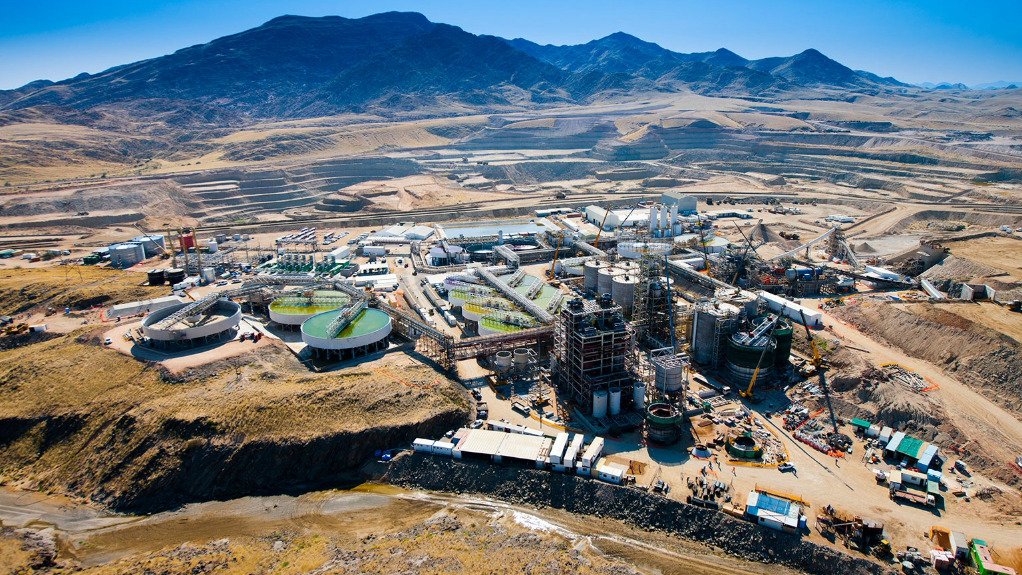
REIGNITING PRODUCTION The Langer Heinrich mine has been brought out of care and maintenance and will reach full capacity by mid-2026
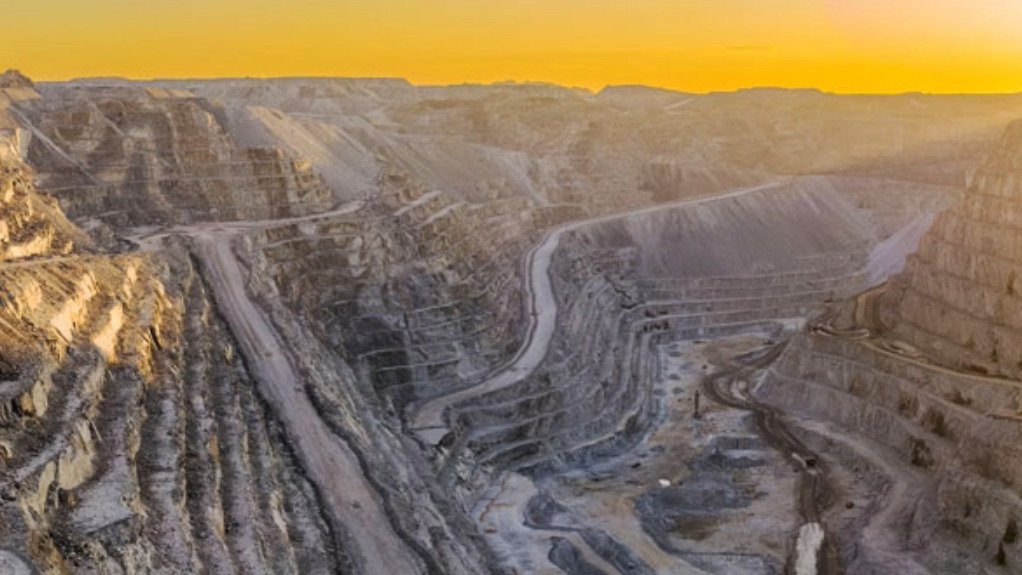
TOP TIER The Rossing mine in Namibia is one of the largest operating open-pit uranium mines globally
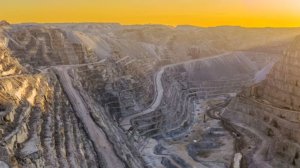


The global uranium market is expected to maintain its upward trajectory in 2026, fuelled by the global transition to nuclear energy as nations seek reliable, low-carbon power sources, reports legal services provider Cliffe Dekker Hofmeyr (CDH) Namibia.
In CDH Namibia’s January-published report ‘Outlook for Uranium Mining Developments in Namibia: 2026’, CDH Namibia managing partner Patric Kauta and CDH South Africa mining and minerals sector head Vivien Chaplin reveal that Namibia continues to stand out as one of the top three players in the global uranium sector.
The report says recent years have seen a wave of new investments, the advancement of mining projects, and a heightened focus on regulatory changes and sustainable practices.
Nuclear policy is undergoing a renewed policy push, they say, adding that more than 30 countries have pledged to triple nuclear capacity by 2050.
In addition, utilities face large, uncovered uranium requirements over the next decade and new nuclear build programmes in Asia, the Middle East, and parts of Europe are accelerating.
At the same time, Kauta and Chaplin say supply is constrained by under-investment, concentration in a few jurisdictions and geopolitical risk – making stable, rules-based producers such as Namibia increasingly attractive to utilities, financiers and strategic investors.
Still Relevant
Like many resource-rich countries, Namibia has weathered market volatility, the report states.
Temporary halts at certain uranium sites, such as the Langer Heinrich mine of Langer Heinrich Uranium, which went on care and maintenance in 2018 owing to persistently low uranium prices, illustrate the industry’s need to adapt to changing circumstances, say Kauta and Chaplin.
This pause provided an opportunity for strategic reassessment and investment in new technologies, positioning the mine for a robust return once the market improved, they add.
The Langer Heinrich mine, subsequent to its restart in 2024 is expected to reach full capacity by mid-2026, capitalising on strong uranium prices and increased demand from both mature and developing nuclear markets.
By late 2024, with uranium prices on the rise and global demand rebounding, the Langer Heinrich mine resumed operations, “signalling renewed optimism in the sector”, point out Kauta and Chaplin.
Further, they highlight that the mine’s shutdown and restart underscore the industry’s resilience and adaptability in the face of fluctuating international prices, evolving regulations and growing sustainability requirements.
Kauta and Chaplin say that uranium remains central to nuclear energy generation, and Namibia’s sizeable reserves continue to draw international attention.
As for political influences, Kauta and Chaplin say that as the world seeks cleaner energy solutions, Namibia’s stable political environment and established mining infrastructure are expected to attract further foreign investment and multinational partnerships in 2026.
Regarding the next wave of uranium growth, they point out that in addition to established mines including Rössing, Husab and the restarted Langer Heinrich, a strong pipeline of projects is advancing through studies and approvals, including Etango-8, Tumas, Norasa and Elevate Uranium’s portfolio.
“If even a portion of these moves into construction over the next decade, Namibia’s output and strategic relevance in the nuclear fuel supply chain could increase significantly from 2026 onwards,” say Kauta and Chaplin.
“A closer look at the country’s flagship mines and new ventures reveals a dynamic sector,” they add.
In addition, the Rössing uranium mine owned by mineral resources developer China National Uranium Corporation continues to build on past technological upgrades, with Rössing planning to modernise operations this year, introducing more automation and digital mining tools to boost productivity and reduce environmental impact, highlight Kauta and Chaplin.
Moreover, the Husab mine, which is operated by nuclear power provider China General Nuclear Power Group, is targeting record production levels through innovative extraction methods aimed at conserving water and lowering energy consumption, they point out.
The Husab mine is also piloting new sustainability protocols.
Tumas, located in Namibia’s ‘world-class’ uranium province near Husab, is central to Africa-based uranium company Deep Yellow’s long-term strategy.
It has a 79.5-million-pound triuranium octoxide reserve, a planned 30-year mine life with potential to extend to about 40 years, and is described as a Tier-1 project.
Exploration Activities
CDH Namibia’s report finds that with uranium prices holding firm, domestic and international companies are intensifying exploration across the Erongo region, aiming to discover new reserves and diversify Namibia’s mining portfolio.
“As the uranium market is forecast to stay robust in 2026, Namibia is well placed to benefit from sustained export growth,” say Kauta and Chaplin.
“This should boost national revenue and create jobs throughout the supply chain, from mining and processing to logistics and support services. Investment in this sector is thus expected to create many opportunities throughout the economy,” they say.
Meanwhile, Kauta and Chaplin also note that the Namibian government is updating legislation and regulations to balance economic development with environmental protection, with new standards for water management and environmental oversight being implemented. Mining companies are also being encouraged to adopt renewable energy and invest in local community initiatives.
“With steady investment, supportive regulation and a strong focus on sustainability, the industry is positioned to remain a key driver of national development, provided that economic gains are balanced with environmental stewardship and community engagement,” say Kauta and Chaplin.
As uranium prices and long-term contracting cycles continue to reflect tightening fundamentals, Namibia is well placed to anchor a new wave of African uranium supply and, in time, potentially its own nuclear power generation.
The report concludes that specialist, cross-disciplinary legal support, such as that provided by CDH, will be essential to convert that potential into bankable projects and sustainable national benefit.
Article Enquiry
Email Article
Save Article
Feedback
To advertise email advertising@creamermedia.co.za or click here
Research Reports

Projects


Latest Multimedia


Latest News
Showroom
ALBIS FLANGES — founded in 1965 — is a petro-chemical approved manufacturer of flanges and fittings in most grades of steel, listed with Sasol,...
VISIT SHOWROOM
At Airshrink - CiP, we surpass customer expectations with innovative MV and LV cable accessories, including heat shrink joints, terminations,...
VISIT SHOWROOM
Announcements
What's On
Subscribe to improve your user experience...
Option 1 (equivalent of R125 a month):
Receive a weekly copy of Creamer Media's Engineering News & Mining Weekly magazine
(print copy for those in South Africa and e-magazine for those outside of South Africa)
Receive daily email newsletters
Access to full search results
Access archive of magazine back copies
Access to Projects in Progress
Access to ONE Research Report of your choice in PDF format
Option 2 (equivalent of R375 a month):
All benefits from Option 1
PLUS
Access to Creamer Media's Research Channel Africa for ALL Research Reports, in PDF format, on various industrial and mining sectors
including Electricity; Water; Energy Transition; Hydrogen; Roads, Rail and Ports; Coal; Gold; Platinum; Battery Metals; etc.
Already a subscriber?
Forgotten your password?
Receive weekly copy of Creamer Media's Engineering News & Mining Weekly magazine (print copy for those in South Africa and e-magazine for those outside of South Africa)
➕
Recieve daily email newsletters
➕
Access to full search results
➕
Access archive of magazine back copies
➕
Access to Projects in Progress
➕
Access to ONE Research Report of your choice in PDF format
RESEARCH CHANNEL AFRICA
R4500 (equivalent of R375 a month)
SUBSCRIBEAll benefits from Option 1
➕
Access to Creamer Media's Research Channel Africa for ALL Research Reports on various industrial and mining sectors, in PDF format, including on:
Electricity
➕
Water
➕
Energy Transition
➕
Hydrogen
➕
Roads, Rail and Ports
➕
Coal
➕
Gold
➕
Platinum
➕
Battery Metals
➕
etc.
Receive all benefits from Option 1 or Option 2 delivered to numerous people at your company
➕
Multiple User names and Passwords for simultaneous log-ins
➕
Intranet integration access to all in your organisation