Bioeconomy unit drives sugarcane product diversification

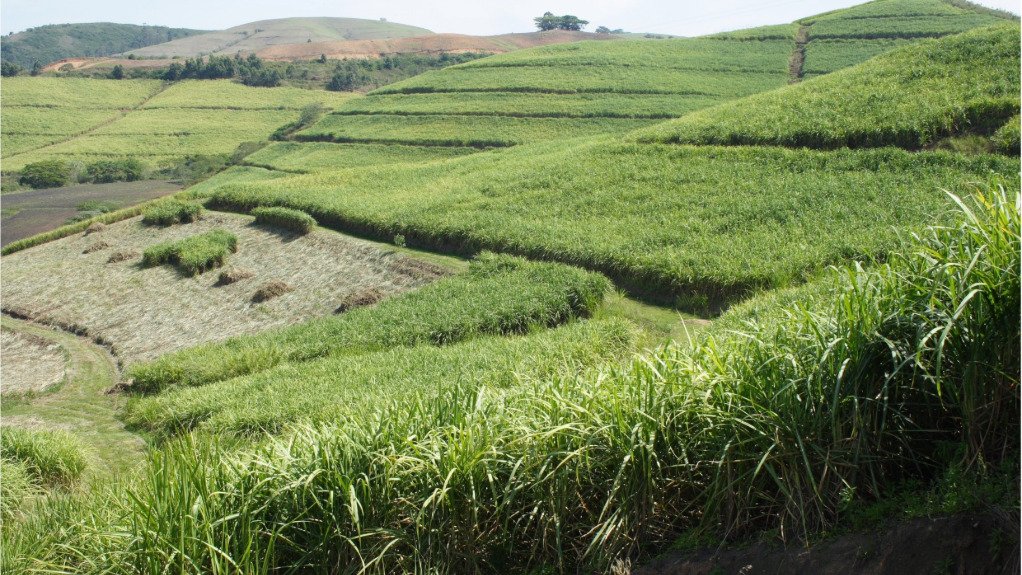

CONVERTING BIOMASS Rather than limiting research to the extraction and recovery of sugar, the SMRI is exploring opportunities that will convert sugarcane biomass into crystal sugar and other value-added products such as biochemicals, biomaterials, biofuels, and bioenergy
Photo by SMRI
SUSTAINABLE ADVOCATION Having celebrated its seventy-fifth anniversary recently, the SMRI is advocating sustainable practices as well as the realisation of an inclusive bioeconomy, in line with the objectives of the G20 Initiative for Bioeconomy meeting, which took place on Tshwane in September
Photo by SMRI



Following a combination of economic, environmental and strategic imperatives, research organisation the Sugar Milling Research Institute NPC (SMRI) has created the Sugarcane Bioeconomy Unit (SBU) to drive product diversification, enhance climate resilience and secure the long-term sustainability of the South African sugarcane processing sector.
This initiative is an undertaking of the G20, begun under the Brazilian Presidency in 2024 and pursued as part of the South African presidency in 2025.
Additionally, the SMRI was part of the South African Steering Committee for this Initiative and participated in all three G20 Initiative on Bioeconomy meetings held in South Africa during 2025.
SMRI CEO Dr Janice Dewar notes that, while historically competitive, the South African sugar industry is mature and facing declining profitability and global market pressures.
The implementation of the Health Promotion Levy locally has exacerbated these pressures, by reducing returns from the local market, with export returns from sugar being generally low and volatile.
“Historically, SMRI focused on technical services and process optimisation for sugar milling. The SBU expands this mandate into sugarcane-based bio innovation, positioning SMRI as a catalyst for industrial transformation into areas beyond traditional sugarcane processing,” explains Dewar.
SMRI strategic research group leader Dr Kitty Foxon adds that sugarcane can provide the highest yield of fermentable sugars per hectare of any cultivated crop and, as a highly engineered ratooning crop, has good resilience to extreme weather events.
She states that it is for these reasons that sugarcane could potentially provide a renewable source of bio-based carbon.
Part of the SBU’s mandate is to showcase sugarcane-derived products as renewable substitutes for fossil-based carbon materials and chemicals, while driving rural economic development.
Reducing Carbon Footprint
Foxon points out that, although South Africa’s Net Zero 2050 ambitions will mainly be actioned through reform of the energy and petrochemicals sectors, the sugarcane industry can nevertheless contribute by reducing its relatively small carbon footprint.
She explains that this could be achieved by providing bio-based carbon alternatives to fossil-based products and helping to embed sustainable practices and operations within rural and agricultural communities.
“The SBU aims to leverage existing expertise within the SMRI on energy integration and optimisation to assist sugar milling companies in reducing their carbon footprint,” states Dewar.
Moreover, such investments will reduce both energy costs and liability for carbon tax for sugar mills, while enhancing the sustainability credentials for the products that come from the sugarcane value chain.
Dewar explains that the SBU is building relationships across the sugarcane value chain to facilitate sector-wide sustainability initiatives that will enable sustainability certification, while promoting the sugarcane industry as a source of sustainable carbon for climate-conscious chemicals and materials markets.
Further, the SBU will be considering where existing sugar milling operations are vulnerable to the consequences of climate change and working with companies to identify opportunities for enhancing resilience for mills and adjacent communities to extreme weather events.
“Instead of limiting research to sugar extraction and recovery, the SMRI is now exploring opportunities to convert sugarcane biomass not just into crystal sugar, but into other value-added products, such as biochemicals, biomaterials, biofuels and bioenergy,” states Dewar.
She adds that this is an integrated approach that seeks to maximise crop value and support a circular economy model.
Foxon adds that the SMRI has recognised that its unique value proposition is in its deep fundamental knowledge of sugarcane processing.
“At least in the short term, the SBU will not be able to replicate this across all potential elements of diversified product operations, which may include biotechnology, catalysis and non-traditional separation technologies, and food, pharmaceutical and biohazard safety management,” she explains. Therefore, growing partnerships in these areas will be key to its success.
Feedstock Replacement
Additionally, the research being done in an SMRI diversification project, which is being co-funded by the Technology Innovation Agency and SMRI, is assessing almost 50 different chemicals and materials that can be made from sucrose to “identify where a business case could be made for local production from sugarcane factory streams,” adds Foxon.
This project into sugarcane diversification is also providing insights into how the sucrose-based feedstock could be priced and what regulatory support would be needed to reduce risk on such biorefinery investments.
Foxon explains that by spreading the net wide, the project team is building a comprehensive picture of what systemic changes are required within the industry, regulatory environment and international trade arrangements to facilitate the development of sugarcane bioeconomy value chains.
“By sharing this information widely, the SBU aims to catalyse coordinated activities that will lead to real investment in new product technology development and manufacturing capabilities,” she states.
Foxon points out that the research is currently focused on products that can be made from sucrose since the industry produces raw sugar beyond the requirements of the local market, while the fibre component, bagasse, is all used for ‘own energy’ production and a suite of fibre-based products.
However, she advises that, with significant investment into energy efficiency, sugar mills could generate a surplus of fibre for other purposes.
Foxon highlights that a focus on fibre value chains may be developed in the future, resources permitting, in conjunction with investigations associated with energy infrastructure upgrades.
Moreover, she adds that the establishment of the SBU unit within the SMRI will ensure that the link with traditional sugarcane processing remains strong, and that research and development are rooted in the realities of the sugarcane industry.
“The entire industry is on a journey to discover the full potential of sugarcane. Through strategic research projects and partnerships, the SBU is serving as a pathfinder to identify routes that bear investigation and hurdles that need to be overcome,” she concludes.
Article Enquiry
Email Article
Save Article
Feedback
To advertise email advertising@creamermedia.co.za or click here


Projects
Latest Multimedia
Latest News

Showroom

The Aluminium Federation of South Africa (AFSA), is the voice of the South African aluminium industry.
VISIT SHOWROOM
ECG provides specialised electrical engineering services to the Mining, Utilities, Materials Handling and Industrial industries, with extensive and...
VISIT SHOWROOM
Announcements
What's On
Subscribe to improve your user experience...
Option 1 (equivalent of R125 a month):
Receive a weekly copy of Creamer Media's Engineering News & Mining Weekly magazine
(print copy for those in South Africa and e-magazine for those outside of South Africa)
Receive daily email newsletters
Access to full search results
Access archive of magazine back copies
Access to Projects in Progress
Access to ONE Research Report of your choice in PDF format
Option 2 (equivalent of R375 a month):
All benefits from Option 1
PLUS
Access to Creamer Media's Research Channel Africa for ALL Research Reports, in PDF format, on various industrial and mining sectors
including Electricity; Water; Energy Transition; Hydrogen; Roads, Rail and Ports; Coal; Gold; Platinum; Battery Metals; etc.
Already a subscriber?
Forgotten your password?
Receive weekly copy of Creamer Media's Engineering News & Mining Weekly magazine (print copy for those in South Africa and e-magazine for those outside of South Africa)
➕
Recieve daily email newsletters
➕
Access to full search results
➕
Access archive of magazine back copies
➕
Access to Projects in Progress
➕
Access to ONE Research Report of your choice in PDF format
RESEARCH CHANNEL AFRICA
R4500 (equivalent of R375 a month)
SUBSCRIBEAll benefits from Option 1
➕
Access to Creamer Media's Research Channel Africa for ALL Research Reports on various industrial and mining sectors, in PDF format, including on:
Electricity
➕
Water
➕
Energy Transition
➕
Hydrogen
➕
Roads, Rail and Ports
➕
Coal
➕
Gold
➕
Platinum
➕
Battery Metals
➕
etc.
Receive all benefits from Option 1 or Option 2 delivered to numerous people at your company
➕
Multiple User names and Passwords for simultaneous log-ins
➕
Intranet integration access to all in your organisation