Nighttime water throttling, restrictions, leak detection among efforts to reverse Joburg’s water woes

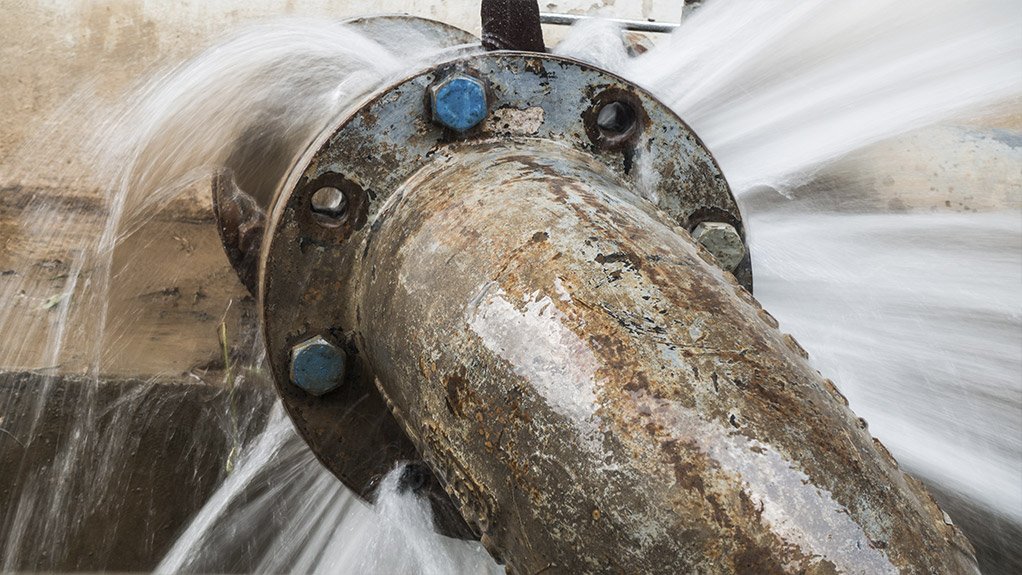


As suburbs across Johannesburg continue to battle water outages and intermittent water supply, the City of Johannesburg (CoJ) says that it is taking decisive action to stabilise the water supply network.
Over the past few weeks and months, in particular, many areas around Johannesburg have increasingly reported water outages lasting days and weeks, impacted by low reservoir levels, high water use, leaks and temporary Rand Water infrastructure outages in January, which the city is struggling to recover from, besides others.
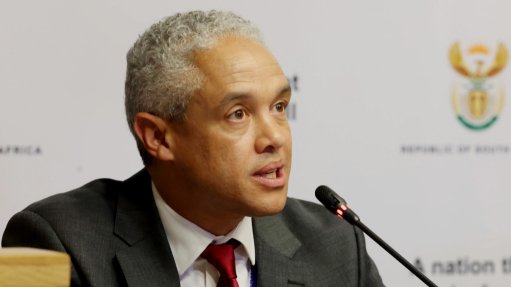
City of Johannesburg (CoJ) Executive Mayor Dada Morero, during a media briefing on Wednesday, said that the city was working to stabilise the network and reduce consumption through its comprehensive, multifaceted water demand management programme.
Immediate measures already underway include night-time throttling to reduce losses, strategic bulk meter restrictions in high-consumption zones, intensified pressure management and advanced leak detection technologies deployed across the network.
However, Morero warned that Johannesburg remained one of the largest consumers of bulk water supplied by Rand Water.
“While significant progress has been made in reducing daily consumption, with multiple projects resulting in a measurable decline in water demand, the city must still reach a critical target of 1 550 Ml/d to comply with [Rand Water] licence apportionment requirements.”
This is exacerbated by infrastructure challenges, illegal connections and historical underinvestment which continue to strain the system.
Through Johannesburg Water’s water conservation and water demand management strategy, the city is accelerating reservoir repairs, pipeline replacement programmes, smart metering and more rigorous enforcement of by-laws to reduce nonrevenue water and restore system efficiency.
Further, he said that the city is undertaking rapid response repairs for identified leaks, increasing the frequency of system audits and collaborating with local ward committees to identify problem areas more quickly.
Communities supplied by the HH2 reservoir, including Melville, Westdene, and Parktown West, have experienced supply disruptions owing to constraints within the Commando system and ongoing commissioning work.
“Technical teams are restoring stability by addressing pressure issues, flushing networks to clear blockages and securing alternative supply through water tankers and mobile storage units where necessary,” Morero assured.
In addition, the CoJ is investing in major infrastructure upgrades in the Brixton, Crosby and Hursthill supply districts, including the construction of new reservoirs, the installation of modern pump stations, and the refurbishment of ageing infrastructure.
These projects are expected to significantly improve capacity, operational flexibility and resilience upon completion.
Funding, however, remains a significant challenge for the city, with a budget of R1.7-billion for 2026 against a backlog of R27-billion.
The CoJ assured that it was working with National Treasury as it undertook reforms that would help the city ring-fence funds for reinvestment directly into water and sanitation assets.
The city was also raising its own capital, and had secured R500-million from finance institutions to finance the refurbishment of reservoirs. The city is also reviewing other models on how best to raise further funds.
“Our administration is implementing a suite of urgent, practical interventions, including real-time monitoring of consumption at the district and household levels, partnerships with businesses to drive water-saving initiatives, and enhanced public awareness campaigns,” Morero continued.
This involves coordinated efforts between the CoJ, Johannesburg Water, Rand Water and key stakeholders to address both immediate and long-term water security challenges.
The programme includes detailed assessments of water use patterns, targeted interventions in high-risk areas and the deployment of technologies to monitor and optimise the entire supply system.
Article Enquiry
Email Article
Save Article
Feedback
To advertise email advertising@creamermedia.co.za or click here


Projects
Latest Multimedia

Latest News

Showroom
Occupational health services, mobile clinics, wellness campaigns, aviation.
VISIT SHOWROOM
CMTS is a leading, well-established EC&I contractor with 37+ years of mining and industrial experience. We execute full-scope EC&I projects with...
VISIT SHOWROOM

Press Office
Announcements
What's On
Subscribe to improve your user experience...
Option 1 (equivalent of R125 a month):
Receive a weekly copy of Creamer Media's Engineering News & Mining Weekly magazine
(print copy for those in South Africa and e-magazine for those outside of South Africa)
Receive daily email newsletters
Access to full search results
Access archive of magazine back copies
Access to Projects in Progress
Access to ONE Research Report of your choice in PDF format
Option 2 (equivalent of R375 a month):
All benefits from Option 1
PLUS
Access to Creamer Media's Research Channel Africa for ALL Research Reports, in PDF format, on various industrial and mining sectors
including Electricity; Water; Energy Transition; Hydrogen; Roads, Rail and Ports; Coal; Gold; Platinum; Battery Metals; etc.
Already a subscriber?
Forgotten your password?
Receive weekly copy of Creamer Media's Engineering News & Mining Weekly magazine (print copy for those in South Africa and e-magazine for those outside of South Africa)
➕
Recieve daily email newsletters
➕
Access to full search results
➕
Access archive of magazine back copies
➕
Access to Projects in Progress
➕
Access to ONE Research Report of your choice in PDF format
RESEARCH CHANNEL AFRICA
R4500 (equivalent of R375 a month)
SUBSCRIBEAll benefits from Option 1
➕
Access to Creamer Media's Research Channel Africa for ALL Research Reports on various industrial and mining sectors, in PDF format, including on:
Electricity
➕
Water
➕
Energy Transition
➕
Hydrogen
➕
Roads, Rail and Ports
➕
Coal
➕
Gold
➕
Platinum
➕
Battery Metals
➕
etc.
Receive all benefits from Option 1 or Option 2 delivered to numerous people at your company
➕
Multiple User names and Passwords for simultaneous log-ins
➕
Intranet integration access to all in your organisation