Electricity demand to grow to 2030, while 2 500 GW of projects are stalled

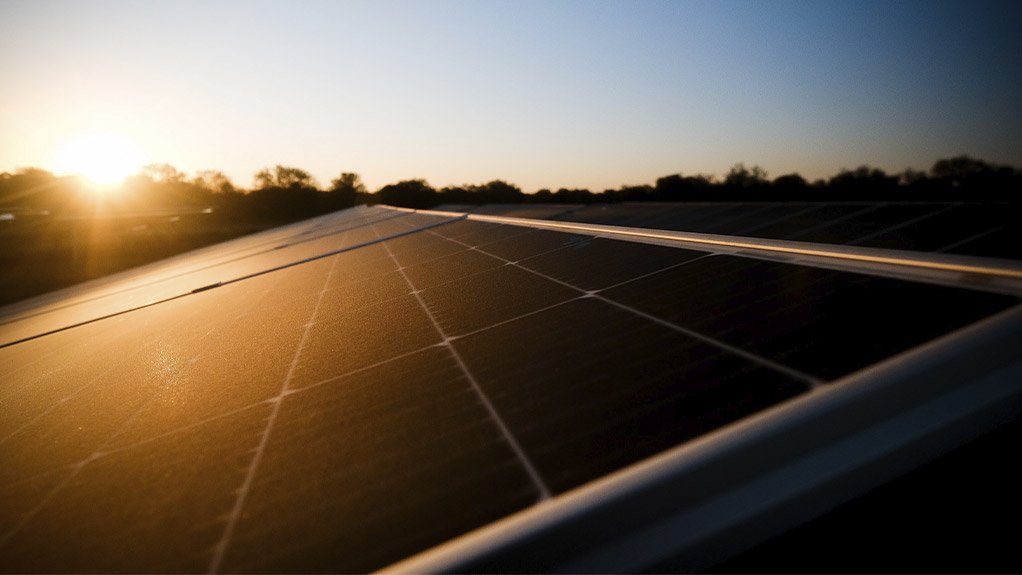


Global power demand is set to grow by 3.6% a year on average over the rest of this decade, with electricity generation from renewables, natural gas and nuclear all expanding to keep pace, says international organisation the International Energy Agency (IEA).
Yearly demand growth over the next five years is set to be 50% higher on average compared with the average across the previous decade. This is the first time in three decades, excluding periods of crisis‑related disruption, that global electricity demand has outpaced economic growth in what is set to become a broader trend in the coming years.
Despite a slight reversal in 2025 owing to weather conditions that affected electricity demand, a fundamental shift in the longstanding relationship between electricity demand and economic activity is set to be a defining feature to 2030, the IEA states.
Electricity demand is on course to grow at least two-and-a-half times as fast as overall energy demand through 2030 as the Age of Electricity takes hold, it says in its 'Electricity 2026' report.
This will be driven by rising industrial use of electricity, the continued uptake of electric vehicles, higher air conditioning use and the expansion of data centres and AI.
However, 2 500 GW worth of projects, including renewables, storage and projects with large loads, such as data centres, are currently stalled in connection queues worldwide, the IEA points out.
“The increase in global power consumption through 2030 is set to be equivalent to adding more than two EUs,” says IEA energy markets and security director Keisuke Sadamori.
“Global electricity demand is growing much more strongly than it did over the past decade. Meeting this demand will require yearly investment in grids to rise by 50% by 2030, up from $400-billion currently, alongside a significant scaling up of grid-related supply chains.
“Additionally, expanding flexibility will also be crucial as power networks continue to evolve, as will a strong focus on security and resilience,” he recommends.
A rapid and efficient expansion of both electricity grids and system flexibility is required, driven by the growing demand, increasingly weather-dependent mixes of power generation sources, and evolving electricity consumption patterns and technologies, the IEA notes.
Additionally, deploying grid‑enhancing technologies and implementing regulatory reforms can unlock significant near‑term capacity while grid expansions advance, and together could free up enough capacity to connect around 1 200 GW to 1 600 GW of advanced‑stage projects currently stuck in queues worldwide, the report points out.
Together, these technological and regulatory measures would allow the grid to be used more efficiently and unlock substantial capacity, the report finds.
About 750 GW to 900 GW of projects could be enabled via more flexible, non-firm grid connection agreements. These agreements typically allow faster grid access, with some limitations, and can create extra hosting capacity before grid upgrades are completed.
Another 450 GW to 700 GW of projects could be unlocked by deploying grid‑enhancing technologies, such as dynamic line rating and advanced power‑flow control, as well as larger upgrades like reconductoring and voltage uprating.
However, achieving this would require updates to regulatory frameworks and the timely deployment of technical solutions.
As grids and flexibility rise up the policy agenda, making more efficient use of existing systems can help relieve congestion and accelerate integration while grid expansion efforts continue, the IEA says.
Meanwhile, the report also finds that installations of utility-scale battery storage have risen sharply, providing an important source of short-term flexibility. Markets such as California, Germany, Texas, South Australia and the UK have all seen strong growth in utility-scale battery capacity deployment in recent years.
However, affordability of electricity remains a key and growing concern and, although the energy‑ and supply‑related components of electricity prices have eased from their crisis peaks, they remain well above 2019 levels.
Household electricity prices in many countries have risen faster than incomes since 2019. Non‑energy components, such as network charges, taxes and other levies, continue to account for a large, and often growing, share of household bills.
Electricity is also taxed more heavily than natural gas in many countries, weakening incentives for households to electrify heating, cooking or hot water use.
Additionally, elevated prices are also putting pressure on industries and businesses.
As a result, policymakers are increasingly focusing on policy frameworks, market designs and regulation to improve affordability and encourage electrification.
However, these policies, market designs and regulations must deliver not only additional investment, but also greater flexibility and efficiency across all parts of the power system, including demand, supply and the use of infrastructure, the report says.
Ensuring prices remain affordable while still reflecting costs and incentivising demand‑side flexibility is emerging as a central challenge. More flexible and efficient use of existing infrastructure can help contain future system costs and deliver greater savings for consumers, it adds.
“Greater efforts are needed to improve the security and resilience of power systems around the world, which face rising risks associated with ageing infrastructure, extreme weather events, cyberthreats and other emerging vulnerabilities.
“Modernising how systems operate, as well as strengthening the physical protection of critical infrastructure, will be essential to countering these threats,” the report emphasises.
DEMAND GROWTH
Consumption from advanced economies is also rising after 15 years of stagnation and contributing to one-fifth of the total increase in power demand through 2030, although emerging and developing economies remain the main engines of electricity-demand growth.
Global electricity generation from renewables, which was boosted by record deployment of solar PV, is now in the process of overtaking generation from coal, after virtually drawing level with it in 2025.
Nuclear generation set a new record in 2025 and is set to continue rising steadily through 2030. Nuclear power output in 2025 was supported by reactor restarts in Japan, higher generation in France, and new capacity additions in China, India and other countries.
While most of the growth in nuclear generation through 2030 is expected to occur in emerging economies, with China alone accounting for around 40% of the global increase, nuclear energy is also regaining strategic importance in many advanced economies, underpinned by supportive policy frameworks to extend the lifetime of reactors and add new capacity.
“The momentum behind low-emissions sources of generation continues to 2030, by which time renewables and nuclear are together set to generate 50% of global electricity, up from 42% today,” the IEA says.
Natural gas-fired output is also set to grow through 2030, supported by rising electricity demand in the US and the continuing shift from oil to gas for power in the Middle East.
Over the 2026 to 2030 period, renewables, natural gas and nuclear together are expected to meet all additional global electricity demand in aggregate, the report notes.
Coal‑fired generation will continue to lose ground globally as renewables expand, with coal-fired generation expected to return to 2021 levels by the end of the decade.
As a result, global CO₂ emissions from electricity generation are expected to remain roughly flat between now and 2030, the report states.
Article Enquiry
Email Article
Save Article
Feedback
To advertise email advertising@creamermedia.co.za or click here

Projects
Latest Multimedia

Showroom

SafeQuip is a leading distributor and manufacturer of fire safety solutions, offering a comprehensive range of products designed to meet all...
VISIT SHOWROOM
REELIN is Currently the largest supplier of Bearings to Transnet. We have contracts to supply bearings, draft gears slackadjusters and other...
VISIT SHOWROOM


Announcements
What's On
Subscribe to improve your user experience...
Option 1 (equivalent of R125 a month):
Receive a weekly copy of Creamer Media's Engineering News & Mining Weekly magazine
(print copy for those in South Africa and e-magazine for those outside of South Africa)
Receive daily email newsletters
Access to full search results
Access archive of magazine back copies
Access to Projects in Progress
Access to ONE Research Report of your choice in PDF format
Option 2 (equivalent of R375 a month):
All benefits from Option 1
PLUS
Access to Creamer Media's Research Channel Africa for ALL Research Reports, in PDF format, on various industrial and mining sectors
including Electricity; Water; Energy Transition; Hydrogen; Roads, Rail and Ports; Coal; Gold; Platinum; Battery Metals; etc.
Already a subscriber?
Forgotten your password?
Receive weekly copy of Creamer Media's Engineering News & Mining Weekly magazine (print copy for those in South Africa and e-magazine for those outside of South Africa)
➕
Recieve daily email newsletters
➕
Access to full search results
➕
Access archive of magazine back copies
➕
Access to Projects in Progress
➕
Access to ONE Research Report of your choice in PDF format
RESEARCH CHANNEL AFRICA
R4500 (equivalent of R375 a month)
SUBSCRIBEAll benefits from Option 1
➕
Access to Creamer Media's Research Channel Africa for ALL Research Reports on various industrial and mining sectors, in PDF format, including on:
Electricity
➕
Water
➕
Energy Transition
➕
Hydrogen
➕
Roads, Rail and Ports
➕
Coal
➕
Gold
➕
Platinum
➕
Battery Metals
➕
etc.
Receive all benefits from Option 1 or Option 2 delivered to numerous people at your company
➕
Multiple User names and Passwords for simultaneous log-ins
➕
Intranet integration access to all in your organisation