Report maps innovations to transform future of energy systems

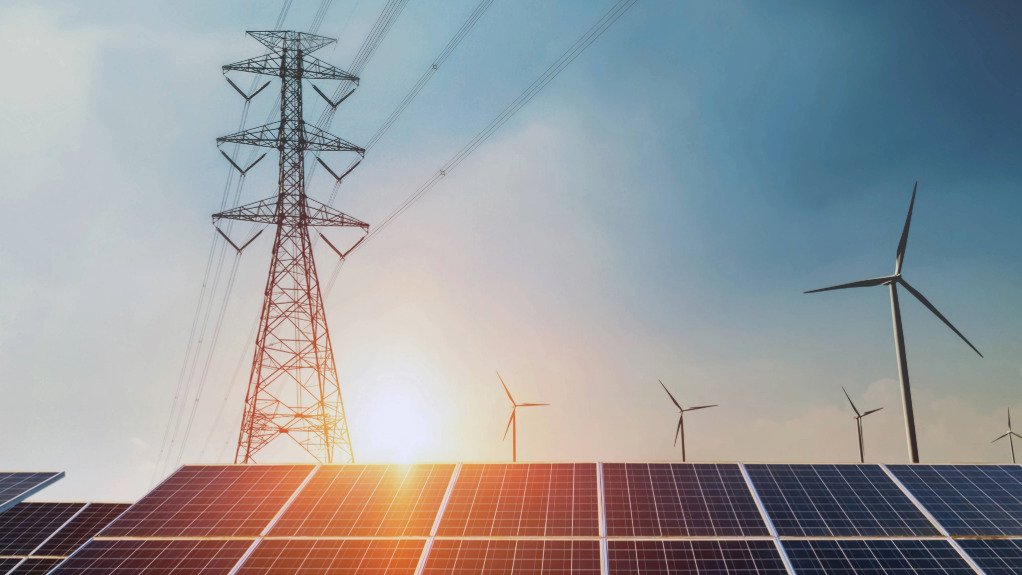


While no “one-size-fits-all” solution exists, systemic innovation can transform the future of energy systems, a new report by the International Renewable Energy Agency (Irena) finds.
Released during a Ministerial Dialogue on the role of AI, the ‘Innovation landscape for sustainable development powered by renewables’ report shows that transformation happens when technological innovation is woven together with innovation in policy, regulation, market design, system operation and business models.
The report spotlights 40 innovations, from AI and digital applications to solutions for modernising grids through smarter planning and offgrid solutions, as well as new business models.
It concludes that only a systemic, integrated approach can deliver resilient power systems, broaden energy access, ensure affordability and realise the full promise of the energy transition.
The report is the third in the series of Innovation Landscape reports published by Irena, highlighting emerging solutions to enhance the impact of renewables across energy systems and economies globally.
“The question isn't whether we can transform our energy system, it’s whether we will seize the moment to do it in a holistic way, leaving no one behind.
“The energy transition is not only about the availability of technology, but also about solutions which deliver social justice and avoid leaving anyone behind. With today’s report, we call for a systemic innovation approach and guide policymakers with a toolkit to formulate tailored solutions,” says Irena director-general Francesco La Camera.
Irena explains that renewable technologies have become the cheapest source of electricity in most regions.
It notes that the combination of cost-competitive renewables and the decentralised nature of many innovations puts universal access to electricity and resilience of power systems within reach for a just transition and economic development in emerging markets and developing economies.
Optimal strategies and the implementation of innovations will require system-specific attributes, including the technical and economic aspects of a national power system, grid integration, end-use sectors in the economy, resources available and social and cultural dimensions.
These innovations are already being tested across the globe and, when properly applied and scaled in a tailored way, can drive sustainable development, the report shows.
In Tanzania, Kenya, Colombia and Malaysia, for example, residents of energy communities collectively own and benefit from local renewable projects.
Irena notes that regional power pools in West Africa enable 15 countries to share renewable resources across borders.
Additionally, dynamic line rating in Malaysia increases transmission capacity by 10% to 50% through real-time weather monitoring.
Meanwhile, battery swapping stations in Uganda and Rwanda make electric mobility accessible. And pay-as-you-go business models brought affordable electricity to over 500 000 people in Sierra Leone and Liberia.
To make the 40 innovations identified actionable and immediately applicable for policymakers, innovations are clustered into four strategic toolkits for context-specific solutions of grid modernisation, decentralised solutions, inclusive local development and energy access.
Action, however, is needed at every level, from multilateral institutions and regional forums to national governments and local communities, says Irena.
“This cohesive framework by Irena intends to enable the design of tailored solutions reflecting the unique technical, economic, and socio-cultural needs of different circumstances in the countries, regions and communities,” the agency says in a media release.
Article Enquiry
Email Article
Save Article
Feedback
To advertise email advertising@creamermedia.co.za or click here
Research Reports

Projects
Latest Multimedia
Latest News

Showroom
SafeQuip is a leading distributor and manufacturer of fire safety solutions, offering a comprehensive range of products designed to meet all...
VISIT SHOWROOM
Virtual Gas Network supplies compressed natural gas via a virtual gas distribution network.
VISIT SHOWROOM

Press Office
Announcements
What's On
Subscribe to improve your user experience...
Option 1 (equivalent of R125 a month):
Receive a weekly copy of Creamer Media's Engineering News & Mining Weekly magazine
(print copy for those in South Africa and e-magazine for those outside of South Africa)
Receive daily email newsletters
Access to full search results
Access archive of magazine back copies
Access to Projects in Progress
Access to ONE Research Report of your choice in PDF format
Option 2 (equivalent of R375 a month):
All benefits from Option 1
PLUS
Access to Creamer Media's Research Channel Africa for ALL Research Reports, in PDF format, on various industrial and mining sectors
including Electricity; Water; Energy Transition; Hydrogen; Roads, Rail and Ports; Coal; Gold; Platinum; Battery Metals; etc.
Already a subscriber?
Forgotten your password?
Receive weekly copy of Creamer Media's Engineering News & Mining Weekly magazine (print copy for those in South Africa and e-magazine for those outside of South Africa)
➕
Recieve daily email newsletters
➕
Access to full search results
➕
Access archive of magazine back copies
➕
Access to Projects in Progress
➕
Access to ONE Research Report of your choice in PDF format
RESEARCH CHANNEL AFRICA
R4500 (equivalent of R375 a month)
SUBSCRIBEAll benefits from Option 1
➕
Access to Creamer Media's Research Channel Africa for ALL Research Reports on various industrial and mining sectors, in PDF format, including on:
Electricity
➕
Water
➕
Energy Transition
➕
Hydrogen
➕
Roads, Rail and Ports
➕
Coal
➕
Gold
➕
Platinum
➕
Battery Metals
➕
etc.
Receive all benefits from Option 1 or Option 2 delivered to numerous people at your company
➕
Multiple User names and Passwords for simultaneous log-ins
➕
Intranet integration access to all in your organisation