Sanedi exec floats idea of zero-rated electricity as affordability concerns grow

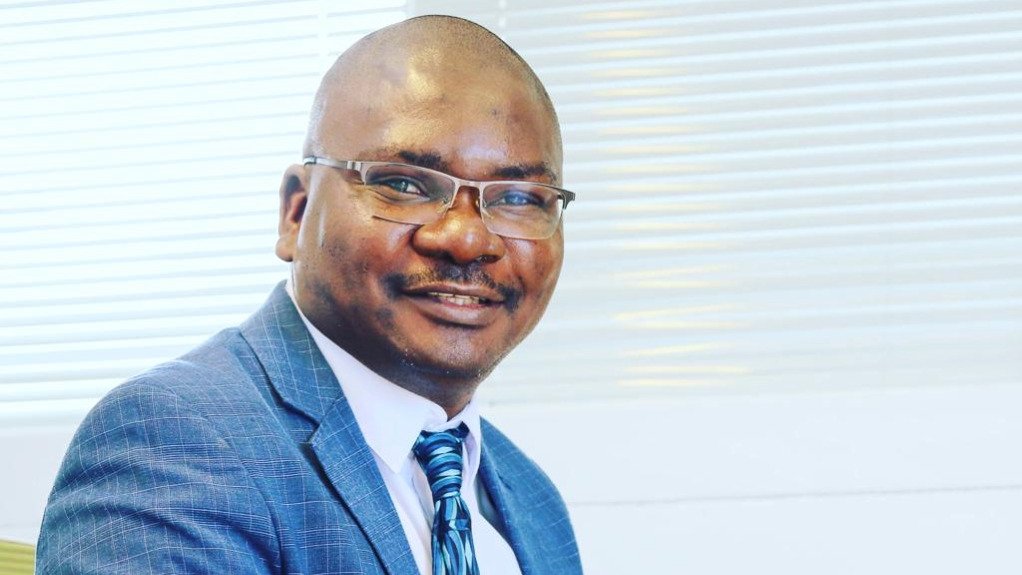



Amid growing concern over the affordability of electricity for businesses and households, the head of the energy secretariat at the South Africa National Energy Development Institute (Sanedi) has floated the idea of including electricity in the list of products zero-rated for value-added tax (VAT).
Listing the price of electricity and load reduction as the two most pressing matters facing the electricity sector at the start of 2026, Sanedi’s Professor Sampson Mamphweli listed the prospect of a VAT zero-rating as one of several interventions to consider.
“This can shave off 15% from the price, which will become an immediate saving to the consumers,” Mamphweli tells Engineering News, while acknowledging that Sanedi has not yet modelled the fiscal impact or canvassed the idea with the National Treasury.
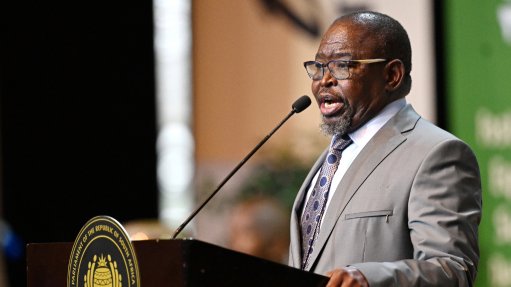
VAT and the basket of zero-rated products came under scrutiny last year when Finance Minister Enoch Godongwana announced – and subsequently withdrew, following an intense political backlash – a proposal to increase the VAT rate initially to 15.5% and then 16%, while increasing the number of items in the basket of zero-rated items.
Zero-rated electricity was never included among the options, with electricity likely to be a significant contributor to VAT collections. Net revenue from VAT totalled R457.8-billion in the 2024/25 fiscal period and the South African Revenue Service has previously highlighted the negative impact of loadshedding on VAT collections.
Besides VAT, Mamphweli argues that attention should also be given to the cost of primary energy, suggesting that negotiations with the coal suppliers should also be prioritised in an effort to reduce coal costs.
Eskom, he says, currently buys coal at a price between R450/t and R950/t.
“The average cost of coal to Eskom is currently above the international benchmark used by the National Energy Regulator of South Africa in calculating the cost of primary energy when they evaluate the Eskom application for tariff hikes through the multi-year price determination process.
“By reducing the cost of primary energy supply Eskom can reduce the price of electricity generation, and then pass that saving to the consumers.”
Mamphweli’s suggestion on reducing coal costs comes as Eskom and domestic ferrochrome producers are assessing a coal-linked deal to dramatically reduce tariffs being charged by the utility to the smelters, many of which have already stopped producing owing to uncompetitive electricity tariffs relative to those charged to smelters elsewhere, especially in China.
Electricity and Energy Minister Dr Kgosientsho Ramokgopa has indicated that the deal could involve Eskom securing cheap coal from “stranded” mines. The coal would reduce electricity production costs, and the benefit would be passed on to the smelters in the form of a far lower tariff, which could fall from about 135c/kWh to 62c/kWh.
For other large consumers, Mamphweli believes there is a need for negotiated tariffs that sustain their profitability, while Eskom recovers the cost of electricity generation, transmission and distribution with “minimum profit”.
“Due to the economies of scale, the large consumers can still make Eskom profitable even if they pay lower tariffs because they will be consuming more and paying.”
On a structural level, Mamphweli believes affordability could also be improved by the introduction of a new market that “will assist in bringing in more role players who will compete for the various market segments and provide electricity at lower costs”.
Regarding load reduction, which is implemented where networks are being overloaded, Mamphweli believes a holistic approach is needed; one that includes the implementation of energy efficiency and demand-side management measures.
“The use of smart meters that can detect system overload and switch between higher supply circuit breakers (63A) to lower supply circuit breakers (20A) during high demand periods can also assist in dealing with load reduction. This is because people can still power essential loads without electricity being cut off completely.”
Article Enquiry
Email Article
Save Article
Feedback
To advertise email advertising@creamermedia.co.za or click here

Latest Multimedia

Latest News
Showroom
We are responsible manufacturers of essential components. Manufacturing 80 million parts a week, we have over 1 billion parts in stock.
VISIT SHOWROOM
Rio Carb is an OEM (Original Equipment Manufacturer) of R-C700 Chromium Carbide (CrC) alloy clad wear plates and pipes used for heavy materials...
VISIT SHOWROOM
Press Office
Announcements
What's On
Subscribe to improve your user experience...
Option 1 (equivalent of R125 a month):
Receive a weekly copy of Creamer Media's Engineering News & Mining Weekly magazine
(print copy for those in South Africa and e-magazine for those outside of South Africa)
Receive daily email newsletters
Access to full search results
Access archive of magazine back copies
Access to Projects in Progress
Access to ONE Research Report of your choice in PDF format
Option 2 (equivalent of R375 a month):
All benefits from Option 1
PLUS
Access to Creamer Media's Research Channel Africa for ALL Research Reports, in PDF format, on various industrial and mining sectors
including Electricity; Water; Energy Transition; Hydrogen; Roads, Rail and Ports; Coal; Gold; Platinum; Battery Metals; etc.
Already a subscriber?
Forgotten your password?
Receive weekly copy of Creamer Media's Engineering News & Mining Weekly magazine (print copy for those in South Africa and e-magazine for those outside of South Africa)
➕
Recieve daily email newsletters
➕
Access to full search results
➕
Access archive of magazine back copies
➕
Access to Projects in Progress
➕
Access to ONE Research Report of your choice in PDF format
RESEARCH CHANNEL AFRICA
R4500 (equivalent of R375 a month)
SUBSCRIBEAll benefits from Option 1
➕
Access to Creamer Media's Research Channel Africa for ALL Research Reports on various industrial and mining sectors, in PDF format, including on:
Electricity
➕
Water
➕
Energy Transition
➕
Hydrogen
➕
Roads, Rail and Ports
➕
Coal
➕
Gold
➕
Platinum
➕
Battery Metals
➕
etc.
Receive all benefits from Option 1 or Option 2 delivered to numerous people at your company
➕
Multiple User names and Passwords for simultaneous log-ins
➕
Intranet integration access to all in your organisation