Engineering execs warn that policy failures, weak accountability are deepening the infrastructure crisis

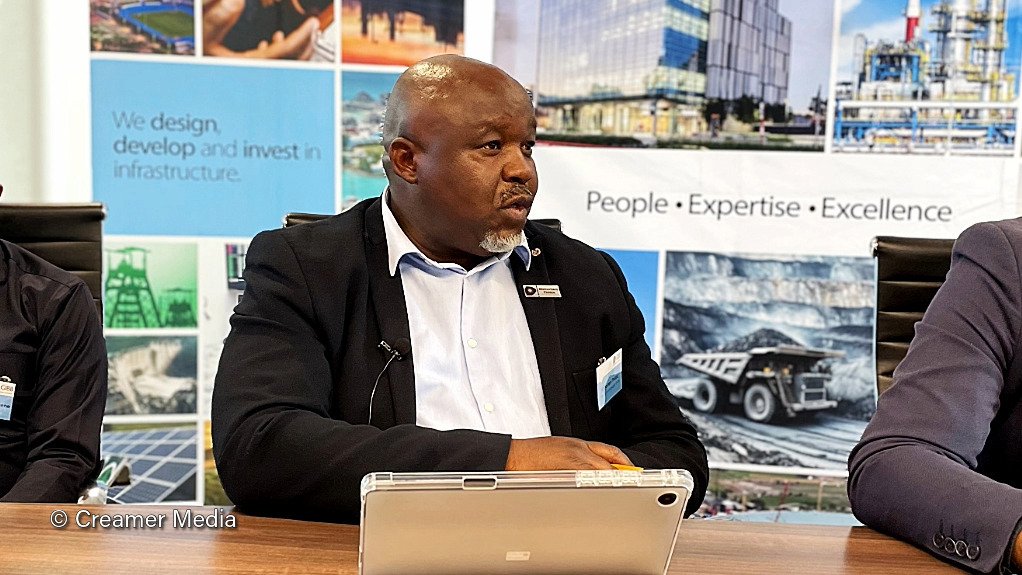
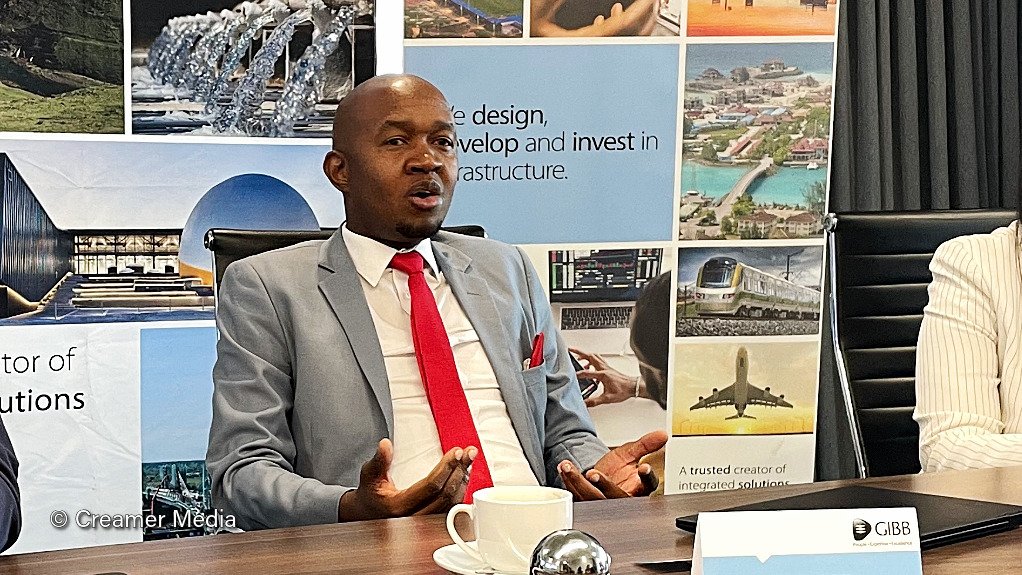
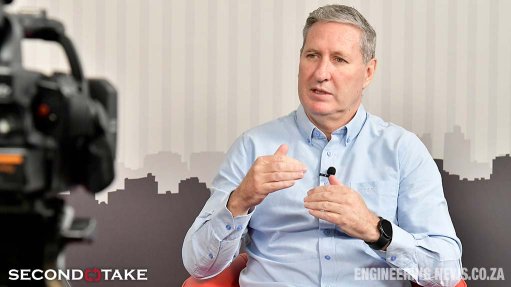
In this video, Gibb CEO Vishaal Lutchman, Gibb EPCM GM Ntshavheni Phidza and SACPCMP president Lufuno Ratsiku discuss challenges in achieving sustainable growth in the construction sector.
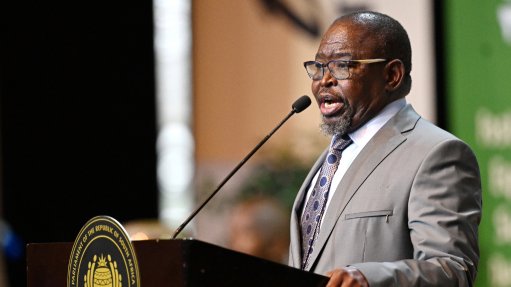
Gibb EPCM GM Ntshavheni Phidza
Photo by Creamer Media
SACPCMP president Lufuno Ratsiku
Photo by Creamer Media
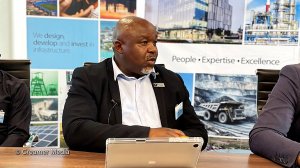
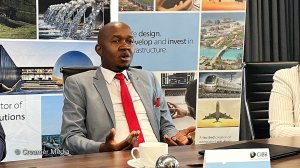


South Africa’s infrastructure recovery will continue to stall unless government, industry and professional bodies shift from problem-identification to concrete implementation, engineering executives said during a roundtable discussion hosted by engineering firm Gibb, in Johannesburg, on December 2.
The speakers jointly warned that policy paralysis, a shrinking skills base and a lack of measurable accountability were preventing the country from reversing infrastructure deterioration and restoring economic stability.
Gibb CEO Vishaal Lutchman said South Africa had spent years repeating the same diagnoses without translating them into execution. He said the country had become highly proficient at describing its structural challenges but had not focused enough on the steps needed to address them, which remained complex and politically difficult.
“We have become excellent at defining what the problem is, and we constantly state that on an ongoing basis. These are the problems. What we do not focus on is how we address them, because that is where the difficulty sits and the complexity sits – in the how,” he said.
CONSTRAINED BUDGETS
According to Lutchman, existing policies were also not delivering the socioeconomic outcomes expected in the early years of democracy. He linked this to a widening inequality gap and to the emergence of social and political tensions that flourished when corrective policy measures failed to materialise.
He said the situation was not unique to South Africa but formed part of a broader global pattern.
“Policies are not currently achieving the socioeconomic reparations that were intended from the start of our democracy. That is why we sit with a growing Gini coefficient, and that is why we sit with the phenomenon of elitism and populism, because there is no containment of initiatives that are pushing those agendas. And it is a global phenomenon, not just South Africa,” he said.
Lutchman added that weak public-sector finances continued to constrain infrastructure delivery. Although some recent budget improvements suggested early signs of stabilisation, he said the sector remained underfunded relative to its needs. He said the country was still in a deficit position when it came to maintaining and expanding public infrastructure and warned that prolonged underinvestment threatened long-term sustainability.
He added that, although South Africa had increasing access to data and digital tools, the country was not using them to their full potential. He said long-term growth depended on the ability to develop technology rather than simply consume it, particularly as global geopolitical dynamics exposed weaker economies to the influence of stronger ones.
“We have an increasing ability to acquire data, but we choose not to do so. Technology and research and development are absolutely necessary for an economy to grow, for people to become educated in new ways of doing things, bringing new solutions to the fore,” he said.
Lutchman also argued that narrow, inward-looking strategies within organisations undermined broader sustainability efforts. He said corporate plans tended to focus on preserving an organisation’s own financial position and shareholder interests rather than considering the wider ecosystem. He said this competitive mindset created anxiety and weakened long-term development because it excluded broader social and national considerations.
SKILLS UNDERUTILISED
Meanwhile, Gibb engineering, procurement, construction and management GM Ntshavheni Phidza added that South Africa could not claim progress towards sustainability while policy implementation remained inconsistent.
He said the country continued to lose skilled professionals to foreign markets because it did not offer a stable or predictable environment in which specialised workers could remain and build their careers.
He said a reliable, continuous infrastructure project pipeline would also assist the education sector in planning future training requirements and would encourage private investment in the resources needed for long-term development.
Phidza said a coordinated approach between government, higher education institutions and the private sector would help bridge gaps between transformation objectives, infrastructure planning and economic growth.
“We have skill drains. We are losing skills to foreign countries because we build capable people but have no platform for them to thrive and continue to provide services. Therefore, they are called on by other countries and they leave South Africa to provide value elsewhere,” he said.
South African Council for the Project and Construction Management Professions president Lufuno Ratsiku said shrinking economic opportunities were contributing to rising crime and social strain.
He said the country needed firm, measurable performance contracts for public officials to ensure that governance standards directly affected individual accountability and organisational stability.
“Opportunities are becoming fewer and fewer by the day, and with that you build up a new pool of criminals who are desperate for food on their table,” he said.
ACCOUNTABILITY LACKING
Ratsiku said meaningful governance required accurate assessments of infrastructure conditions rather than polished presentations that did not reflect the reality on the ground. He criticised public representatives who avoided acknowledging service delivery failures in their official reports and presentations, arguing that professionals should challenge such omissions.
He stated that South Africans must be able to travel safely on well-maintained roads and should not be confronted with potholes, water shortages or other avoidable failures when international investors visited the country.
He added that governance documents were often produced during strategic planning sessions but were not consistently implemented or reviewed, which prevented meaningful progress.
Performance criteria should be clearly defined and should influence contract renewals, compensation and organisational stability, he argued.
“It needs to be seen in the performance contract, defined and measurable in a meaningful way. So if one is going to fail on that aspect, they need to know it affects their pocket. It affects the potential renewal of their contracts. It affects the stability of the organisation they are leading,” he said.
Article Enquiry
Email Article
Save Article
Feedback
To advertise email advertising@creamermedia.co.za or click here


Latest Multimedia
Showroom

Sulzer South Africa, established in 1922, partners with critical industries like power, oil & gas, water, mining, and chemicals to boost...
VISIT SHOWROOM
EIMS is an independent specialised environmental consulting firm offering the full spectrum of environmental management services across all sectors...
VISIT SHOWROOM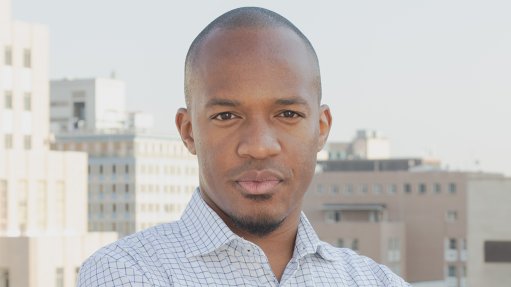
Press Office
Announcements
What's On
Subscribe to improve your user experience...
Option 1 (equivalent of R125 a month):
Receive a weekly copy of Creamer Media's Engineering News & Mining Weekly magazine
(print copy for those in South Africa and e-magazine for those outside of South Africa)
Receive daily email newsletters
Access to full search results
Access archive of magazine back copies
Access to Projects in Progress
Access to ONE Research Report of your choice in PDF format
Option 2 (equivalent of R375 a month):
All benefits from Option 1
PLUS
Access to Creamer Media's Research Channel Africa for ALL Research Reports, in PDF format, on various industrial and mining sectors
including Electricity; Water; Energy Transition; Hydrogen; Roads, Rail and Ports; Coal; Gold; Platinum; Battery Metals; etc.
Already a subscriber?
Forgotten your password?
Receive weekly copy of Creamer Media's Engineering News & Mining Weekly magazine (print copy for those in South Africa and e-magazine for those outside of South Africa)
➕
Recieve daily email newsletters
➕
Access to full search results
➕
Access archive of magazine back copies
➕
Access to Projects in Progress
➕
Access to ONE Research Report of your choice in PDF format
RESEARCH CHANNEL AFRICA
R4500 (equivalent of R375 a month)
SUBSCRIBEAll benefits from Option 1
➕
Access to Creamer Media's Research Channel Africa for ALL Research Reports on various industrial and mining sectors, in PDF format, including on:
Electricity
➕
Water
➕
Energy Transition
➕
Hydrogen
➕
Roads, Rail and Ports
➕
Coal
➕
Gold
➕
Platinum
➕
Battery Metals
➕
etc.
Receive all benefits from Option 1 or Option 2 delivered to numerous people at your company
➕
Multiple User names and Passwords for simultaneous log-ins
➕
Intranet integration access to all in your organisation