The future of urbanisation in South Africa and AfriSam’s role in building it

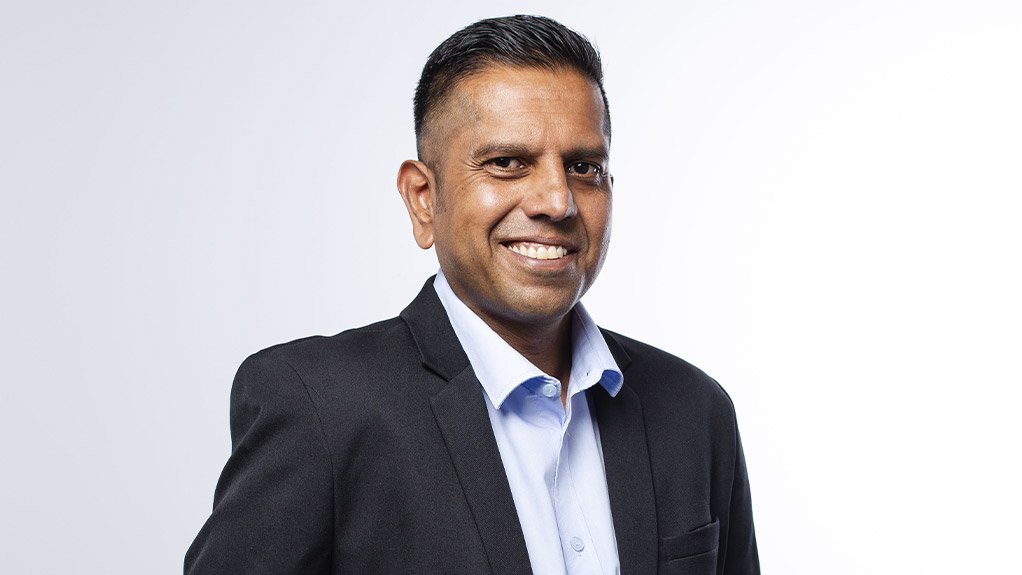
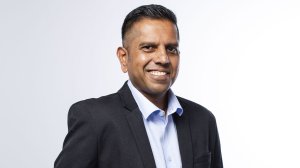
Amit Dawneerangen, AfriSam Construction Materials Executive – Sales & Product Technical
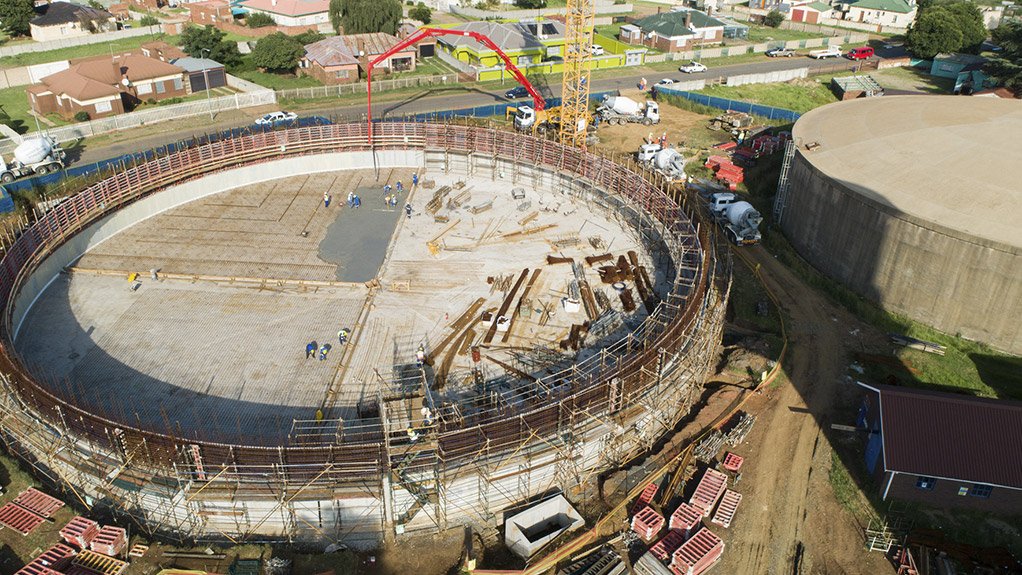
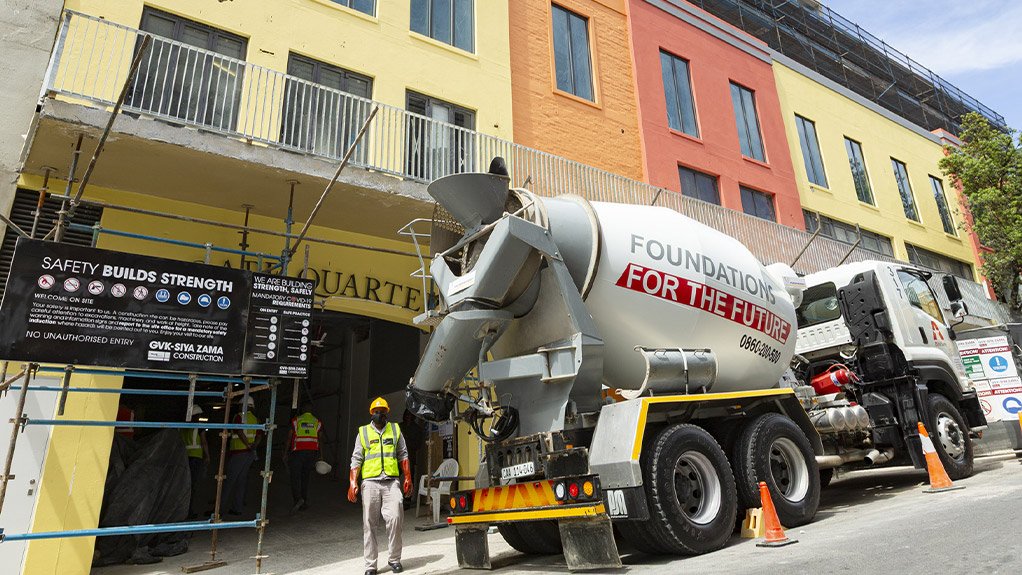
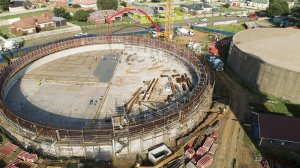
Water infrastructure systems, including reservoirs, pipelines and treatment facilities, rely on durable construction materials from AfriSam that can withstand constant exposure to moisture, pressure and chemical processes
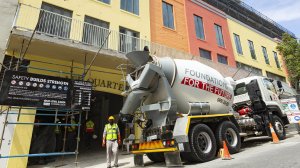
Reliable material supply from AfriSam plays a vital role in reducing waste, delays and costs on complex urban construction projects
High quality cement and construction materials supplied by AfriSam support the delivery of durable cost effective infrastructure
South Africa’s rapid urbanisation is increasing demands on infrastructure performance and resilience, with AfriSam materials playing a key role
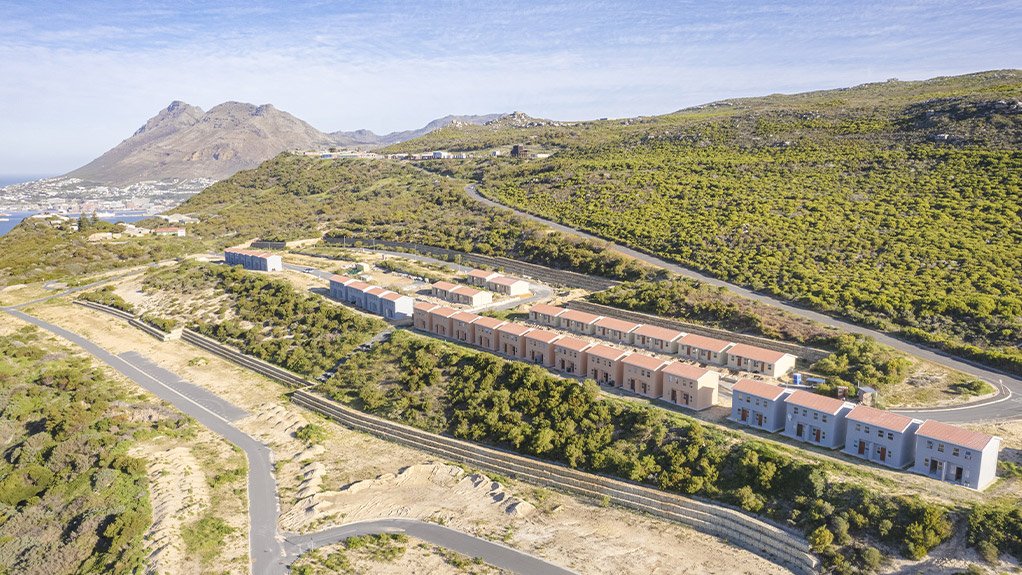
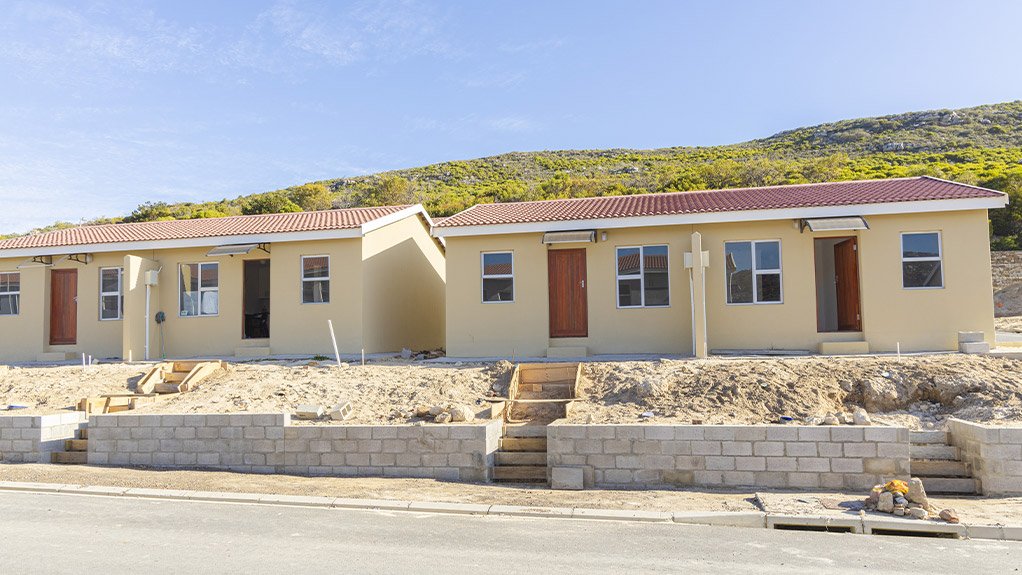
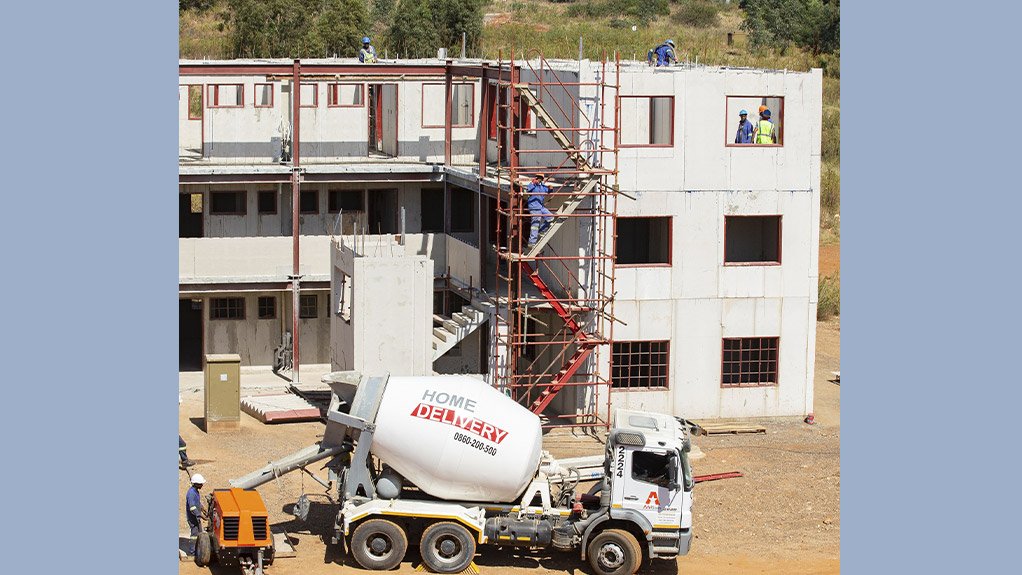
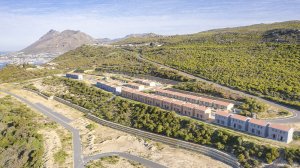
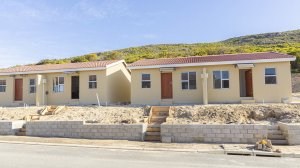
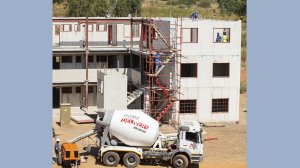
AfriSam supplied 2 500 m³ of readymix concrete, 2 000 bags of 42.5 All Purpose Cement and 10 mm aggregate stone to the Dido Valley project outside Simonstown
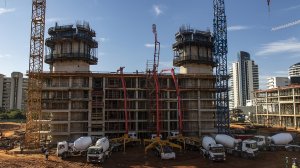
On large-scale urban developments, AfriSam’s reliable supply of construction materials helps minimise programme risk, waste and cost overruns
Low-carbon cement solutions and performance-based concrete design from AfriSam are increasingly important in reducing the embodied carbon of urban infrastructure
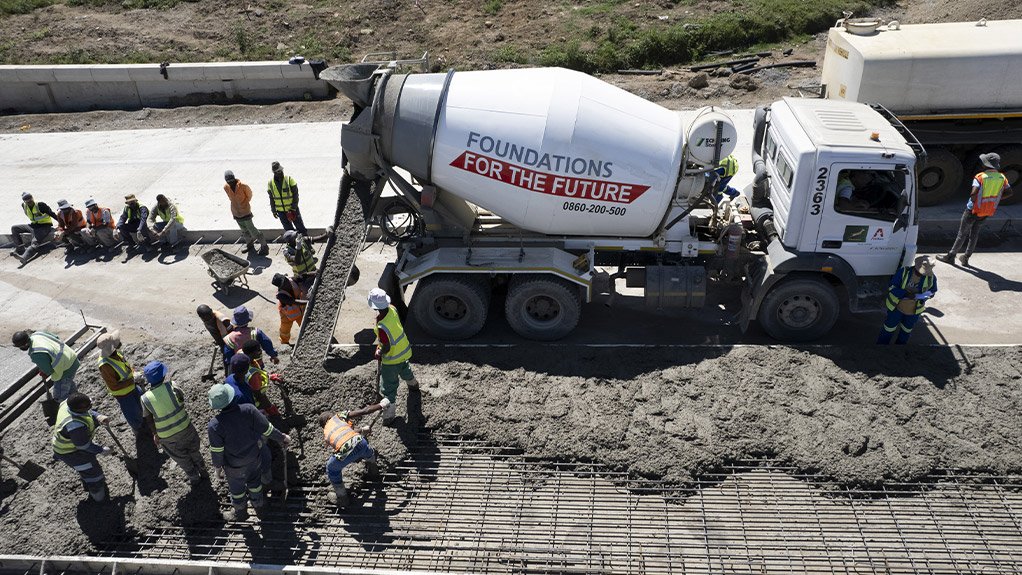
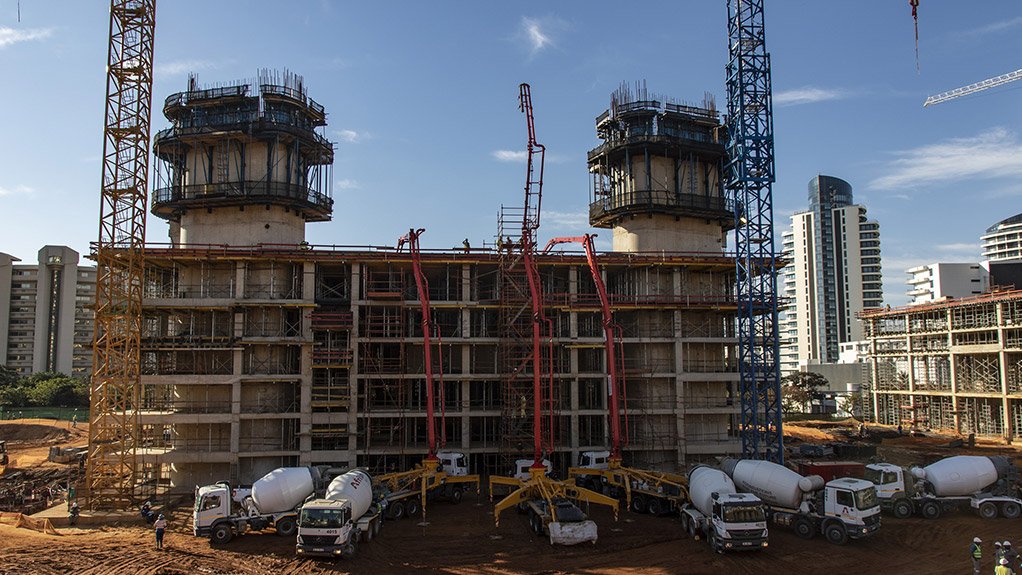
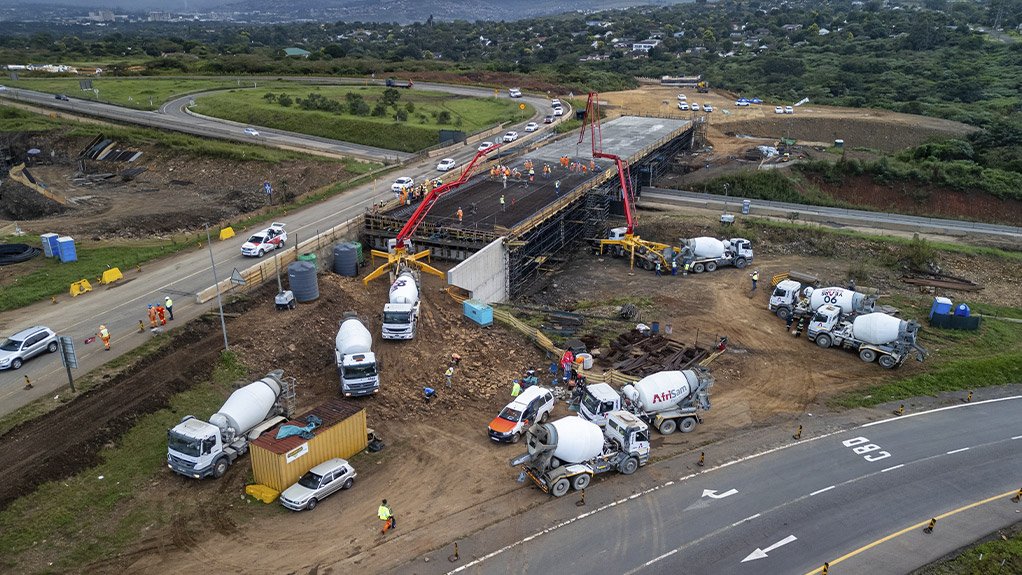
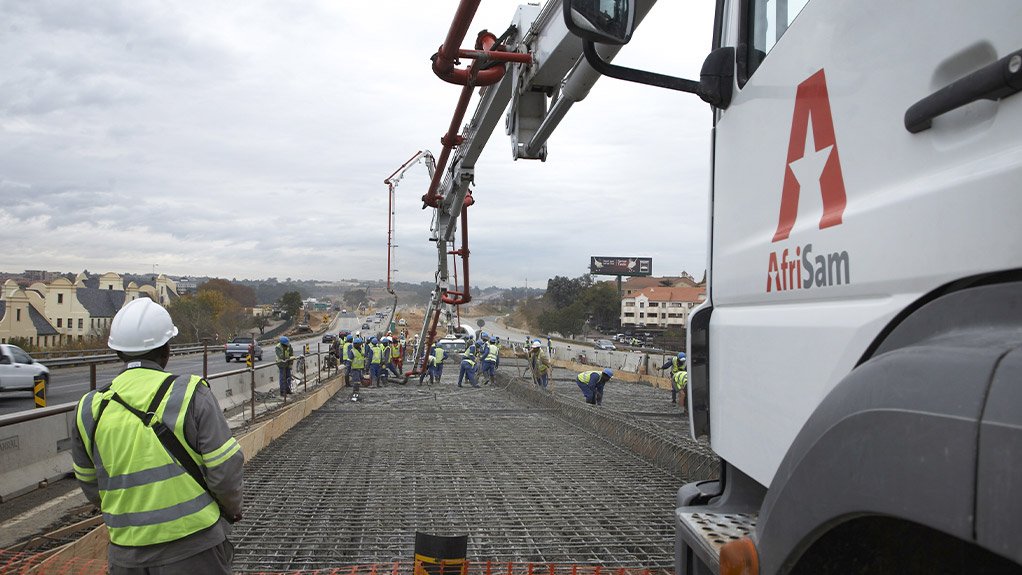
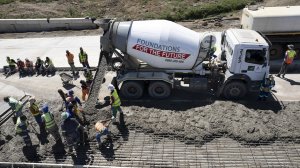
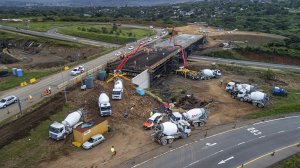
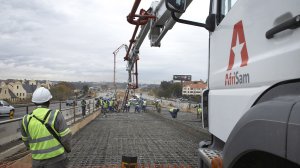
AfriSam delivered 1 300 m³ of concrete in 218 truckloads for the Market Road Overpass bridge constructed by Teichmann Structures
Through innovation, supply reliability and a strong sustainability focus, AfriSam continues to play a foundational role in shaping the future of South Africa’s cities


This article has been supplied.
South Africa is entering a new era of urban growth. Already a predominantly urban country, it is estimated that by 2035 more than 70% of the population will live in towns and cities. This rapid shift presents both opportunities and challenges - opportunities to unlock economic growth and improve quality of life and challenges around housing demand, transport networks, basic services and environmental sustainability.
This is according to Amit Dawneerangen, AfriSam Construction Materials Executive – Sales & Product Technical, who says that for South Africa’s construction sector, this means designing and delivering infrastructure that can handle greater density, withstand climate pressures and reduce environmental impacts.
At the heart of this transformation lies the choice of construction materials. Cement, concrete and aggregates are not just commodities; they are the building blocks of urban life. And in South Africa, AfriSam has emerged as the leader in providing materials that balance quality, durability and sustainability.
Urbanisation’s evolving demands
Urbanisation in South Africa is no longer simply about the expansion of cities into outlying areas. Increasingly, the focus is on densification, making better use of existing urban footprints through renewal, infill and multi-storey development. This shift creates new demands for construction materials.
Mid-rise residential blocks, affordable housing developments and rental stock require concrete that is consistent, reliable and cost effective. Transport corridors such as bridges, bus rapid transit systems and interchanges call for high performance mixes that can endure decades of service under heavy loads. Municipal services - from schools and clinics to water and wastewater treatment plants - must be delivered on time, often within constrained urban sites where logistics and supply certainty are critical.
Cities also face growing environmental stresses. Flooding, storm surges and rising heat are already reshaping infrastructure priorities. Urban resilience now depends on engineered solutions such as permeable pavements to manage stormwater, durable culverts and channels to reduce flood risk and concrete road surfaces designed to handle high temperatures.
Decarbonising the built environment
Globally, there is growing recognition that construction materials - especially cement and concrete - hold the key to reducing embodied carbon in infrastructure. For South Africa, this is particularly relevant, as the country has set ambitious climate targets while facing ongoing energy and water constraints.
AfriSam has been a pioneer in low carbon cement technology, producing blended cements that incorporate supplementary cementitious materials (SCMs) such as fly ash and slag. These substitutes reduce the clinker content in cement, directly lowering CO₂ emissions without compromising strength. AfriSam has also embraced performance-based concrete designs, where specifications focus on outcomes like strength and durability rather than rigid cement content. This approach allows for innovation, cost optimisation and carbon reduction in tandem.
“Urban growth and decarbonisation are not competing agendas - they are two sides of the same challenge,” Amit Dawneerangen, Construction Materials Executive: Sales & Product Technical at AfriSam, says. “Our blended cements and engineered concretes are designed to deliver the performance cities need with a measurably lower carbon footprint.”
From affordable housing to wastewater infrastructure, AfriSam’s products demonstrate that sustainable options can also be practical and cost effective. Permeable concretes are being trialled to reduce stormwater run-off in dense precincts, while high durability mixes extend the service life of bridges and marine infrastructure. Each innovation brings South Africa closer to cities that are not only larger, but smarter and more sustainable.
Circularity and resource efficiency
Another crucial component of future urbanisation is circularity. With demand for materials rising, the sector cannot rely indefinitely on virgin resources. AfriSam is leading efforts to recycle returned concrete waste into aggregates for selected applications, reducing landfill pressure and preserving natural stone reserves.
At the quarry and plant level, AfriSam continues to optimise operations to extract more usable product per tonne of raw material. Closed-loop water management systems reduce consumption and safeguard scarce water supplies, while dust control technologies protect surrounding communities and ecosystems.
These efforts show that sustainability is not an add-on but a central requirement for long term urban growth. “The future city will not be built at the expense of the environment. It must balance demand with responsibility and that is what AfriSam is striving to achieve,” Dawneerangen emphasises.
Reliability as a sustainability factor
Urban projects are uniquely complex. Construction in congested spaces, under tight deadlines and with limited access, demands absolute reliability from suppliers. In this context, AfriSam’s national footprint of plants and quarries becomes a sustainability lever in itself.
Every delayed delivery or rejected batch adds wasted fuel, idle machinery time and disrupted schedules. By leveraging digital platforms, AfriSam allows contractors to place orders online, track deliveries in real time and receive automated notifications.
Highly skilled technical teams supported by AfriSam’s Centre of Product Excellence and its SANAS-accredited laboratories underpin the high level of service provided to support contractors by tailoring mixes to specific site conditions.
Further, night time pours and staged logistics reduce disruption in high density areas, ensuring projects proceed smoothly and with minimal impact on surrounding communities.
Reliability is not just about convenience; it is about efficiency and reduced waste across the project lifecycle. For cities with constrained budgets, this translates directly into savings and better value.
Building for resilience and longevity
As municipalities face tightening budgets, long term durability has become more important than ever. AfriSam’s technical experts work closely with engineers to design concretes that resist chloride ingress, sulphate attack and carbonation - factors that typically shorten the lifespan of assets. By mitigating these risks, AfriSam helps ensure that bridges, pavements, culverts and treatment plants last longer, require less maintenance and deliver greater whole-life value.
In road infrastructure, AfriSam continues to refine mixes that resist rutting under heavy axle loads and endure repeated heat cycles. For marine and wastewater facilities, specially formulated binder systems improve resistance to aggressive environments. In emerging technologies, the company is exploring concrete mixes suitable for 3D printing and precast manufacturing, accelerating the delivery of housing and municipal infrastructure with consistent quality.
Inclusive growth and skills development
Urbanisation is also a chance to build a more inclusive construction economy. Through its community investment initiatives, AfriSam invests in the growth of small and medium-sized contractors, providing training in material use, batching discipline and quality control.
By enabling smaller players and expanding skills, AfriSam ensures that urbanisation benefits are more widely shared. This inclusivity is critical in a country where unemployment and inequality remain pressing challenges.
Aligning with policy and planning
The coming decade will shape South Africa’s cities for generations. The challenge is clear – the need to deliver more housing and infrastructure at greater speed, with fewer resources and lower carbon intensity. AfriSam’s strategy rests on three interlinked pillars - advancing low carbon material innovation, ensuring operational excellence and supply reliability and fostering partnerships that build skills and inclusivity.
“Urbanisation is not a future risk, it is today’s reality,” Dawneerangen says. “By combining reliable logistics, advanced materials and transparent performance data, AfriSam is helping South Africa’s cities grow in ways that are economically sound, socially inclusive and environmentally responsible.”
As the demands of urbanisation accelerate, one thing is certain - the future of South Africa’s cities will quite literally be built on AfriSam’s foundations.
Article Enquiry
Email Article
Save Article
Feedback
To advertise email advertising@creamermedia.co.za or click here

Projects
Latest Multimedia

Latest News
Showroom
AirNox (Pty) Ltd is a level 1 BBBEE manufacturer of complete AdBlue® solutions for operators of SCR diesel engines and AUS40 across South Africa...
VISIT SHOWROOM
For over 30 years, Werner South Africa Pumps & Equipment (PTY) LTD has been designing, manufacturing, supplying and maintaining specialist...
VISIT SHOWROOM


Press Office
Announcements
What's On
Subscribe to improve your user experience...
Option 1 (equivalent of R125 a month):
Receive a weekly copy of Creamer Media's Engineering News & Mining Weekly magazine
(print copy for those in South Africa and e-magazine for those outside of South Africa)
Receive daily email newsletters
Access to full search results
Access archive of magazine back copies
Access to Projects in Progress
Access to ONE Research Report of your choice in PDF format
Option 2 (equivalent of R375 a month):
All benefits from Option 1
PLUS
Access to Creamer Media's Research Channel Africa for ALL Research Reports, in PDF format, on various industrial and mining sectors
including Electricity; Water; Energy Transition; Hydrogen; Roads, Rail and Ports; Coal; Gold; Platinum; Battery Metals; etc.
Already a subscriber?
Forgotten your password?
Receive weekly copy of Creamer Media's Engineering News & Mining Weekly magazine (print copy for those in South Africa and e-magazine for those outside of South Africa)
➕
Recieve daily email newsletters
➕
Access to full search results
➕
Access archive of magazine back copies
➕
Access to Projects in Progress
➕
Access to ONE Research Report of your choice in PDF format
RESEARCH CHANNEL AFRICA
R4500 (equivalent of R375 a month)
SUBSCRIBEAll benefits from Option 1
➕
Access to Creamer Media's Research Channel Africa for ALL Research Reports on various industrial and mining sectors, in PDF format, including on:
Electricity
➕
Water
➕
Energy Transition
➕
Hydrogen
➕
Roads, Rail and Ports
➕
Coal
➕
Gold
➕
Platinum
➕
Battery Metals
➕
etc.
Receive all benefits from Option 1 or Option 2 delivered to numerous people at your company
➕
Multiple User names and Passwords for simultaneous log-ins
➕
Intranet integration access to all in your organisation