A Blueprint for Industrial Decarbonization: China’s Renewable‑Powered Aluminium Shift





This article has been supplied and will be available for a limited time only on this website.
By: Devan Pillay - President of Heavy Industry Segment, Schneider Electric, Industrial Automation
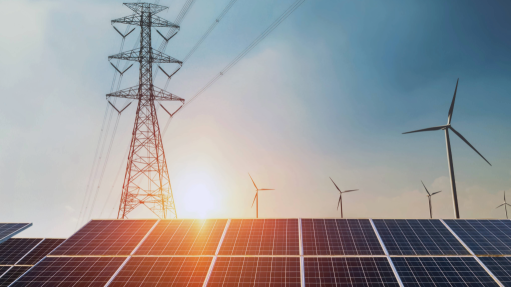
China’s decision to shift a major share of its aluminium smelting capacity to renewables-rich regions highlights an industrial transformation with implications far beyond the sector. As the producer of around 60% of global aluminium, the impact of China relocating nearly 30% of its smelting capacity to areas powered by hydropower, wind and solar will be profound.
By moving away from coal‑dependent provinces and designing new facilities around hydropower, high‑voltage transmission, and integrated renewable generation, China is showing what large‑scale industrial decarbonization looks like when executed with intent.
This shift is not simply geographic; it represents a fundamental redesign of heavy‑industry systems. The model offers a powerful blueprint for other energy‑intensive industries like cement, steel and data centers. It demonstrates that modernizing in line with global climate goals requires affordable electrification and high levels of automation at the core—not as add‑ons, but as strategic enablers of productivity and competitiveness.
At Schneider Electric, we see this trend as evidence that electrification is now the primary gateway to affordable, clean energy, while automation and digitalization at state and national level ensures those variable resources can be absorbed and optimized efficiently and safely at scale. Smelting, like steel and cement increasingly are based on electricity‑defined processes. Lasting emissions reduction only happens when systems are engineered from end‑to‑end and value chains are integrated beyond the one material, leveraging these Hubs with high activity and volumes also for commercial circularity activity to integrate clean, variable power through electrified equipment, advanced automation and continuous, data‑driven control.
Incremental improvements won’t deliver the step-change required. National, State and System‑level transformation looking at TOC concepts across value chains is required for making the best commercial bets. Technically digital twins for process optimization, intelligent drives and motors, predictive control, and high‑integrity data layers that allow energy and productivity to be managed in real time. These commercial models and technologies combined now form the operating system of competitive low‑carbon manufacturing.
China’s strategy shows how electrified, automated, renewables‑aligned industrial clusters can become engines of economic strength. The message to other economies is clear: embrace electrification and automation with equal ambition, and the next era of industrial growth can be sustainable by design—not a compromise, but a competitive advantage.
Article Enquiry
Email Article
Save Article
Feedback
To advertise email advertising@creamermedia.co.za or click here
Research Reports


Latest Multimedia

Latest News

Showroom
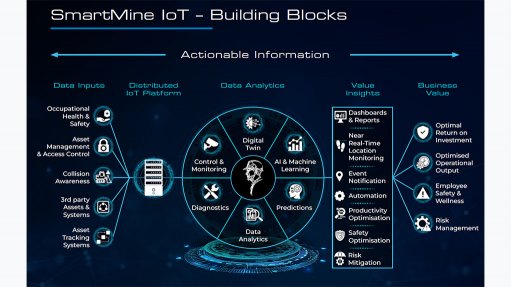
SmartMine IoT has been developed with the mining industry in mind, to provides our customers with powerful business intelligence and data modelling...
VISIT SHOWROOM
From batteries for boats and jet skis, to batteries for cars and quad bikes, SABAT Batteries has positioned itself as the lifestyle battery of...
VISIT SHOWROOM

Press Office
Announcements
What's On
Subscribe to improve your user experience...
Option 1 (equivalent of R125 a month):
Receive a weekly copy of Creamer Media's Engineering News & Mining Weekly magazine
(print copy for those in South Africa and e-magazine for those outside of South Africa)
Receive daily email newsletters
Access to full search results
Access archive of magazine back copies
Access to Projects in Progress
Access to ONE Research Report of your choice in PDF format
Option 2 (equivalent of R375 a month):
All benefits from Option 1
PLUS
Access to Creamer Media's Research Channel Africa for ALL Research Reports, in PDF format, on various industrial and mining sectors
including Electricity; Water; Energy Transition; Hydrogen; Roads, Rail and Ports; Coal; Gold; Platinum; Battery Metals; etc.
Already a subscriber?
Forgotten your password?
Receive weekly copy of Creamer Media's Engineering News & Mining Weekly magazine (print copy for those in South Africa and e-magazine for those outside of South Africa)
➕
Recieve daily email newsletters
➕
Access to full search results
➕
Access archive of magazine back copies
➕
Access to Projects in Progress
➕
Access to ONE Research Report of your choice in PDF format
RESEARCH CHANNEL AFRICA
R4500 (equivalent of R375 a month)
SUBSCRIBEAll benefits from Option 1
➕
Access to Creamer Media's Research Channel Africa for ALL Research Reports on various industrial and mining sectors, in PDF format, including on:
Electricity
➕
Water
➕
Energy Transition
➕
Hydrogen
➕
Roads, Rail and Ports
➕
Coal
➕
Gold
➕
Platinum
➕
Battery Metals
➕
etc.
Receive all benefits from Option 1 or Option 2 delivered to numerous people at your company
➕
Multiple User names and Passwords for simultaneous log-ins
➕
Intranet integration access to all in your organisation