Imports threaten competitiveness, sustainability


SIFISO MHLABA Without urgent intervention to restore adequate protection and reinforce local market demand, the continued influx of imports could inflict irreversible damage on one of South Africa’sstrategic and labour-intensive, agro-industries
Photo by SASA



Despite being a surplus-sugar-producing country, South Africa is facing an escalating import crisis that poses “a serious threat” to the industry’s competitiveness and long-term sustainability, says industry organisation South African Sugar Association (SASA).
While deep-sugar imports amounted to about 98 000 t last season (2024/25), they have just surged to 118 000 t in the first six months of the 2025/26 season – a sharp rise that highlights the urgency of the situation, explains SASA executive director Sifiso Mhlaba.
If this trend continues, imports for the current season could exceed 200 000 t, as
“each ton of imported sugar landing in South Africa displaces locally produced sugar, resulting in a cumulative industry loss of R829-million so far – in only half a season”, he adds.
The Health Promotion Levy (HPL) – a local tax implemented in 2018 on sugary drinks to reduce dietary sugar consumption and combat related non-communicable diseases such as obesity and diabetes – and imports are two of the main challenges that have necessitated the introduction of the Sugarcane Value-Chain Master Plan to 2030.
The strategic, multi-phase plan is designed to stabilise the industry, promote diversification and ensure long-term sustainability and job creation.
Since the HPL’s implementation, the industry has suffered multibillion-rand revenue losses year-on-year, as well as the permanent closure of two sugar mills in KwaZulu-Natal.
“While we remain a surplus-sugar producer, we are forced to redirect the remaining sugar – after local market sales – to the export market, at a loss,” he adds.
Mhlaba, therefore, points out that there is no need for sugar imports, as South Africa has sufficient capacity to satisfy local market demand.
Moreover, this sustained erosion of market share is crippling local millers and growers, placing about 65 000 direct jobs – and thousands more dependent livelihoods – at risk.
“Without urgent intervention to restore adequate protection and reinforce local market demand, the continued influx of imports could inflict irreversible damage on one of South Africa’s strategic and labour-intensive, agro-industries . . . in the job-starved rural areas of KwaZulu-Natal and Mpumalanga.”
Industry Protection
Countries such as Brazil and India benefit from significant government support, including subsidies, making it easy for them to “dump their sugar” onto the world market, says Mhlaba.
The ripple effect puts South Africa’s sugar growers and millers at risk, threatening the industry’s sustainability.
“One of the key pillars of the master plan is the strategic protection of the industry. This speaks to putting an adequate tariff in place to protect our industry against dumped sugar imports,” he highlights.
This is especially critical because high levels of imports negatively affect local sugar sales, reducing the industry’s revenue and limiting its support for diversification opportunities, which are already perceived as “capital-intensive”.
Further, continued instability in the domestic sugar market could affect investor confidence, further hindering efforts to secure funding for long-term bioeconomy projects.
“We encourage everyone to use high- quality local sugar to contribute towards sustaining 65 000 direct jobs, 270 000 indirect jobs and one-million livelihoods dependent on the sugarcane growing and milling activities of the industry,” Mhlaba urges.
Through the master plan, the industry will continue working with the value chain partners to encourage the use of South African sugar to meet local demand, while strategically limiting imports that undermine local products, in addition to prioritising diversification to reduce reliance on the loss-making sugar export market, thereby supporting the continued growth and long-term sustainability of the industry.
Article Enquiry
Email Article
Save Article
Feedback
To advertise email advertising@creamermedia.co.za or click here
Research Reports


Projects
Latest Multimedia

Latest News


Showroom
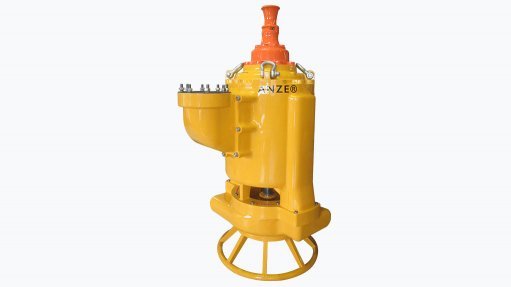
Goodwin Submersible Pumps Africa is sole distributors for Goodwin electrically driven, submersible, abrasion resistance slurry pumps.
VISIT SHOWROOM




Press Office
Announcements
What's On
Subscribe to improve your user experience...
Option 1 (equivalent of R125 a month):
Receive a weekly copy of Creamer Media's Engineering News & Mining Weekly magazine
(print copy for those in South Africa and e-magazine for those outside of South Africa)
Receive daily email newsletters
Access to full search results
Access archive of magazine back copies
Access to Projects in Progress
Access to ONE Research Report of your choice in PDF format
Option 2 (equivalent of R375 a month):
All benefits from Option 1
PLUS
Access to Creamer Media's Research Channel Africa for ALL Research Reports, in PDF format, on various industrial and mining sectors
including Electricity; Water; Energy Transition; Hydrogen; Roads, Rail and Ports; Coal; Gold; Platinum; Battery Metals; etc.
Already a subscriber?
Forgotten your password?
Receive weekly copy of Creamer Media's Engineering News & Mining Weekly magazine (print copy for those in South Africa and e-magazine for those outside of South Africa)
➕
Recieve daily email newsletters
➕
Access to full search results
➕
Access archive of magazine back copies
➕
Access to Projects in Progress
➕
Access to ONE Research Report of your choice in PDF format
RESEARCH CHANNEL AFRICA
R4500 (equivalent of R375 a month)
SUBSCRIBEAll benefits from Option 1
➕
Access to Creamer Media's Research Channel Africa for ALL Research Reports on various industrial and mining sectors, in PDF format, including on:
Electricity
➕
Water
➕
Energy Transition
➕
Hydrogen
➕
Roads, Rail and Ports
➕
Coal
➕
Gold
➕
Platinum
➕
Battery Metals
➕
etc.
Receive all benefits from Option 1 or Option 2 delivered to numerous people at your company
➕
Multiple User names and Passwords for simultaneous log-ins
➕
Intranet integration access to all in your organisation